
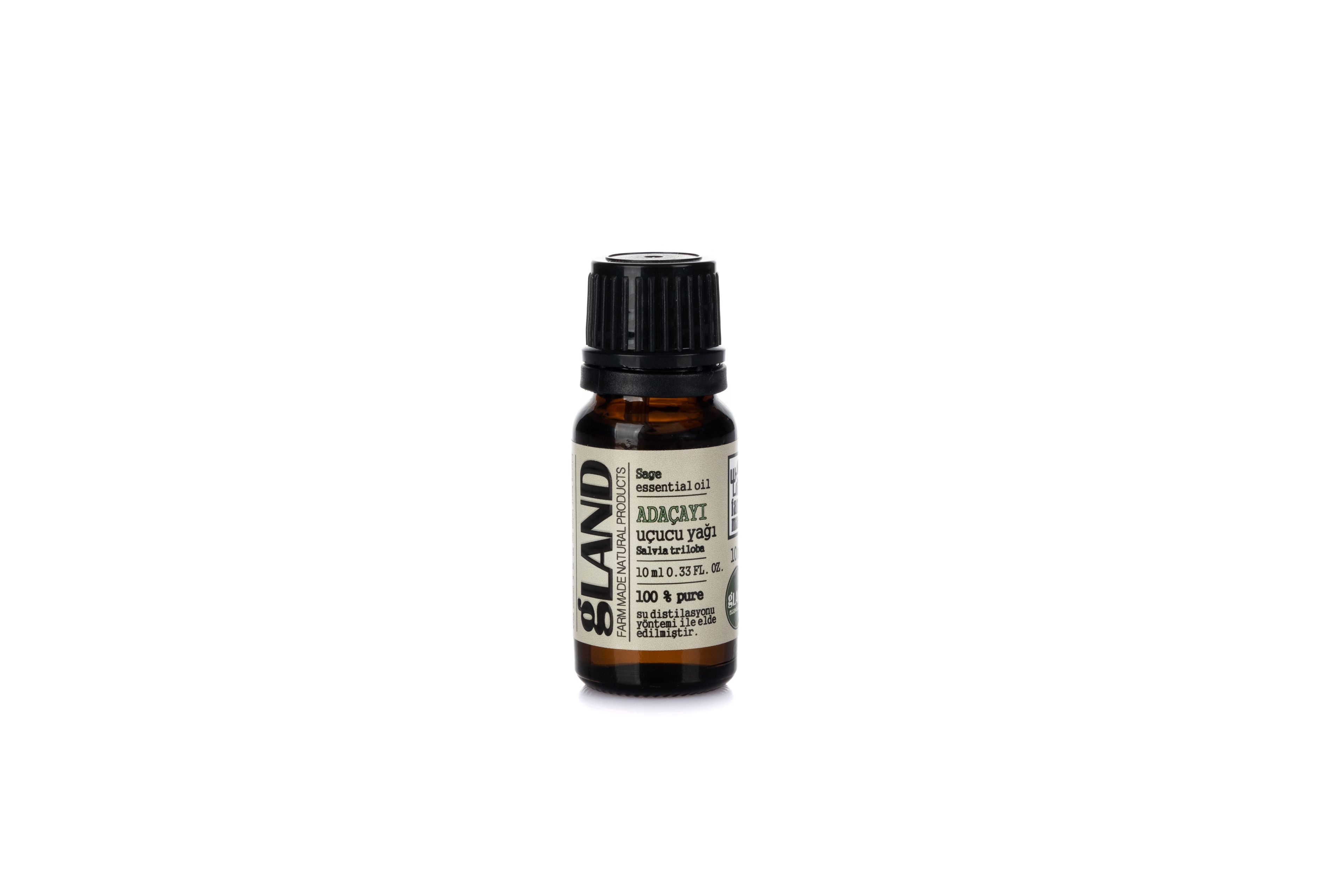
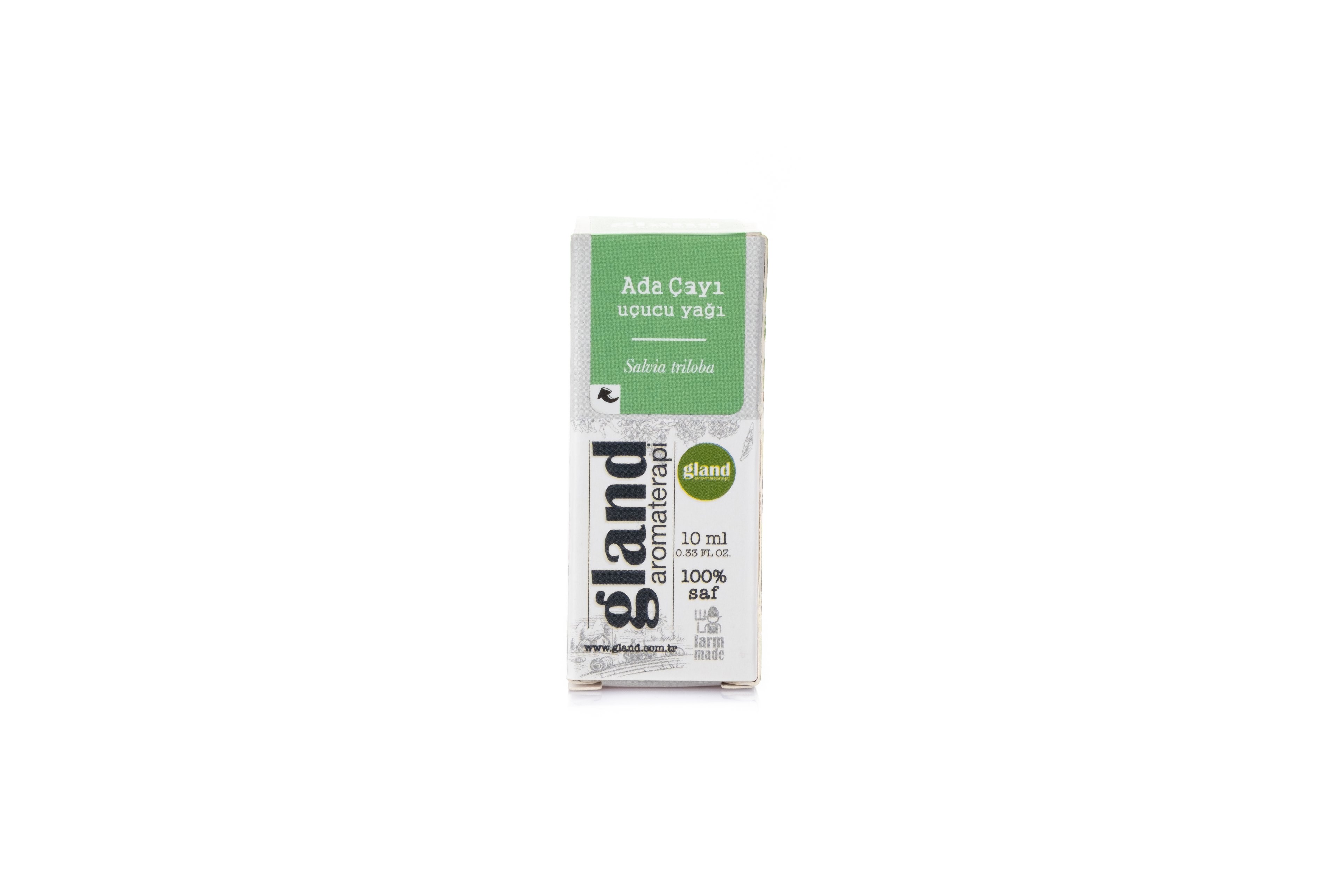
Sage (Salvia triloba) is a plant native to the Mediterranean region and belongs to the Lamiaceae family. Sage essential oil is an aromatic oil obtained from the leaves of this plant through steam distillation. Throughout history, sage oil has been used in traditional medicine and aromatherapy for a variety of health benefits. It possesses strong antimicrobial, anti-inflammatory, and antioxidant properties.
Sage essential oil contains a complex combination of chemical constituents. The main components include:
α-Thujone (30–40%)
Camphor (15–25%)
1,8-Cineole (Eucalyptol) (10–20%)
α-Pinene (5–10%)
β-Pinene (3–8%)
These constituents are responsible for the diverse therapeutic properties of sage essential oil.
1. Antimicrobial and Antifungal Activity
Sage essential oil exhibits broad-spectrum antimicrobial activity and may be effective against various bacteria and fungi. For this reason, it can be used to support wound healing and help prevent infections.
2. Antioxidant Properties
Sage oil helps reduce oxidative stress by minimizing cellular damage caused by free radicals. This contributes to anti-aging effects and supports cellular regeneration.
3. Anti-inflammatory Effects
By helping to reduce inflammation, this oil may support the management of rheumatoid arthritis and other inflammatory conditions.
Use in Aromatherapy
Aromatherapy is a therapeutic practice that aims to support physical and emotional well-being through the inhalation or topical application of essential oils. Sage essential oil can be used in aromatherapy in several ways:
Stress and Anxiety Management: Inhalation of sage oil may help calm the central nervous system and provide a relaxing effect. This can be beneficial in managing stress, anxiety, and depressive states.
Memory and Concentration: Research suggests that sage oil may improve cognitive function and enhance memory. Inhalation may help increase focus and concentration.
Respiratory Health: Due to its antimicrobial and anti-inflammatory properties, sage oil may be used to support the treatment of respiratory tract infections. Steam inhalation can help relieve symptoms of conditions such as bronchitis and sinusitis.
Skin Care: Thanks to its antiseptic and healing properties, sage oil can be applied topically to support the treatment of acne, eczema, and skin infections. It helps promote skin cell renewal and supports a healthier-looking complexion.
Meditation and Yoga: Sage oil can be used during meditation and yoga practices to help support balance between the mind and body.
Usage Recommendations and Precautions
Dosage: Sage essential oil is highly potent and should be used with caution. It should not be applied directly to the skin without dilution. Dilution with a suitable carrier oil is recommended.
Side Effects: Use in high doses may be toxic and may cause skin irritation. Pregnant women, breastfeeding mothers, and individuals with epilepsy should consult a healthcare professional before using sage oil.
Sage essential oil is a versatile essential oil with a wide range of applications in aromatherapy. Thanks to its antimicrobial, antioxidant, and anti-inflammatory properties, it may provide positive effects on both physical and emotional well-being. However, due to its potency, careful and proper use is essential. When used correctly in aromatherapy, sage essential oil can support a healthy and balanced lifestyle.