Product Description
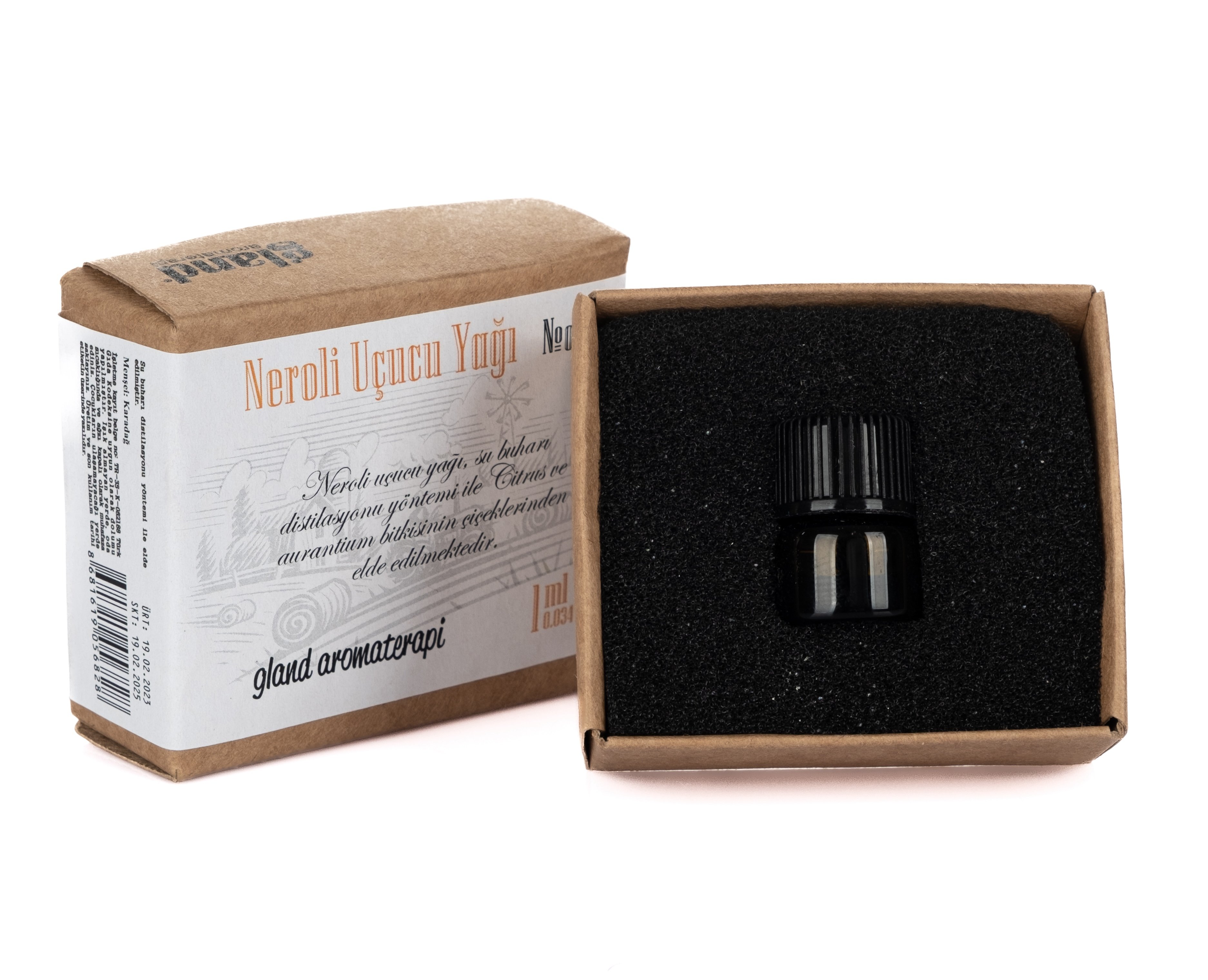
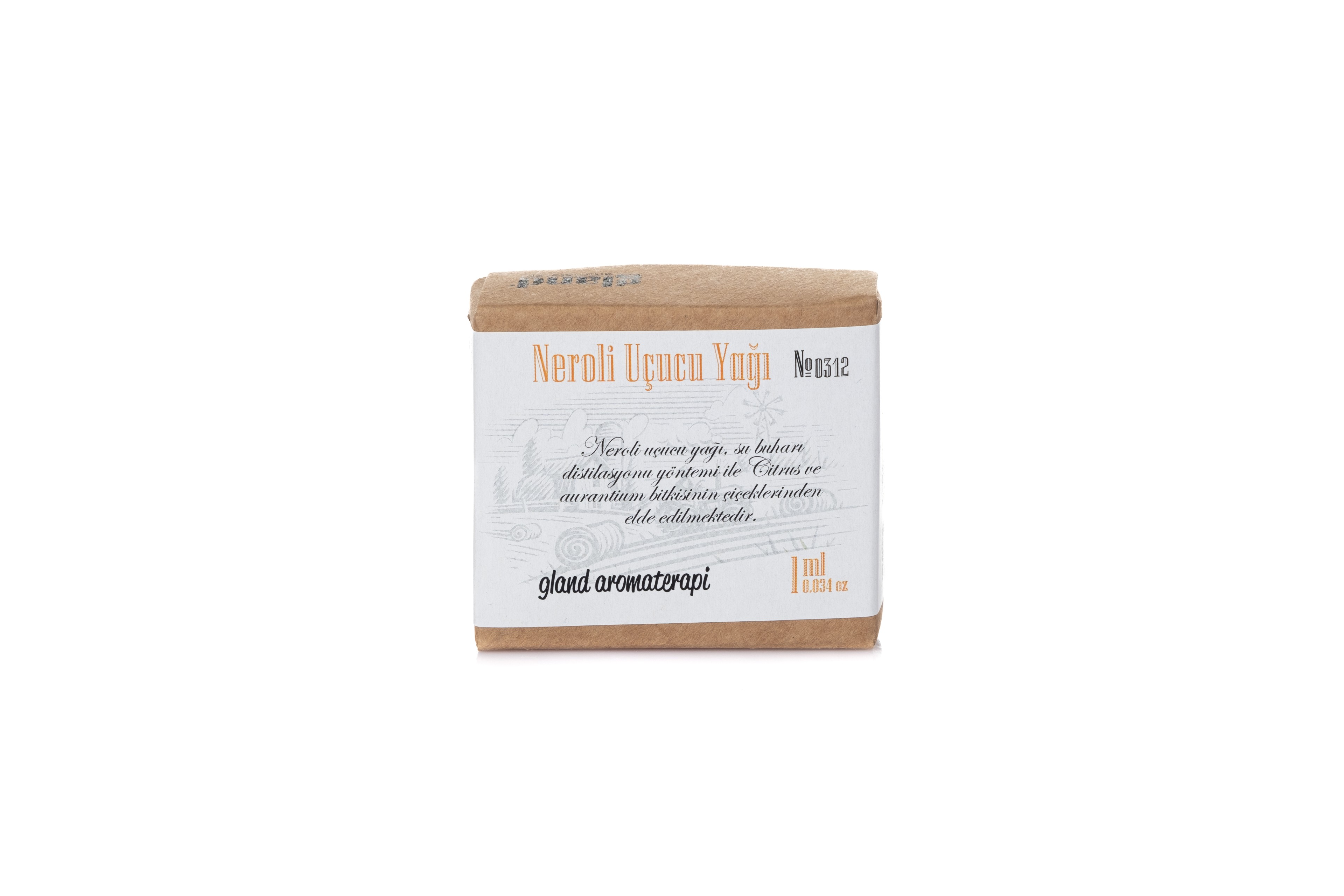
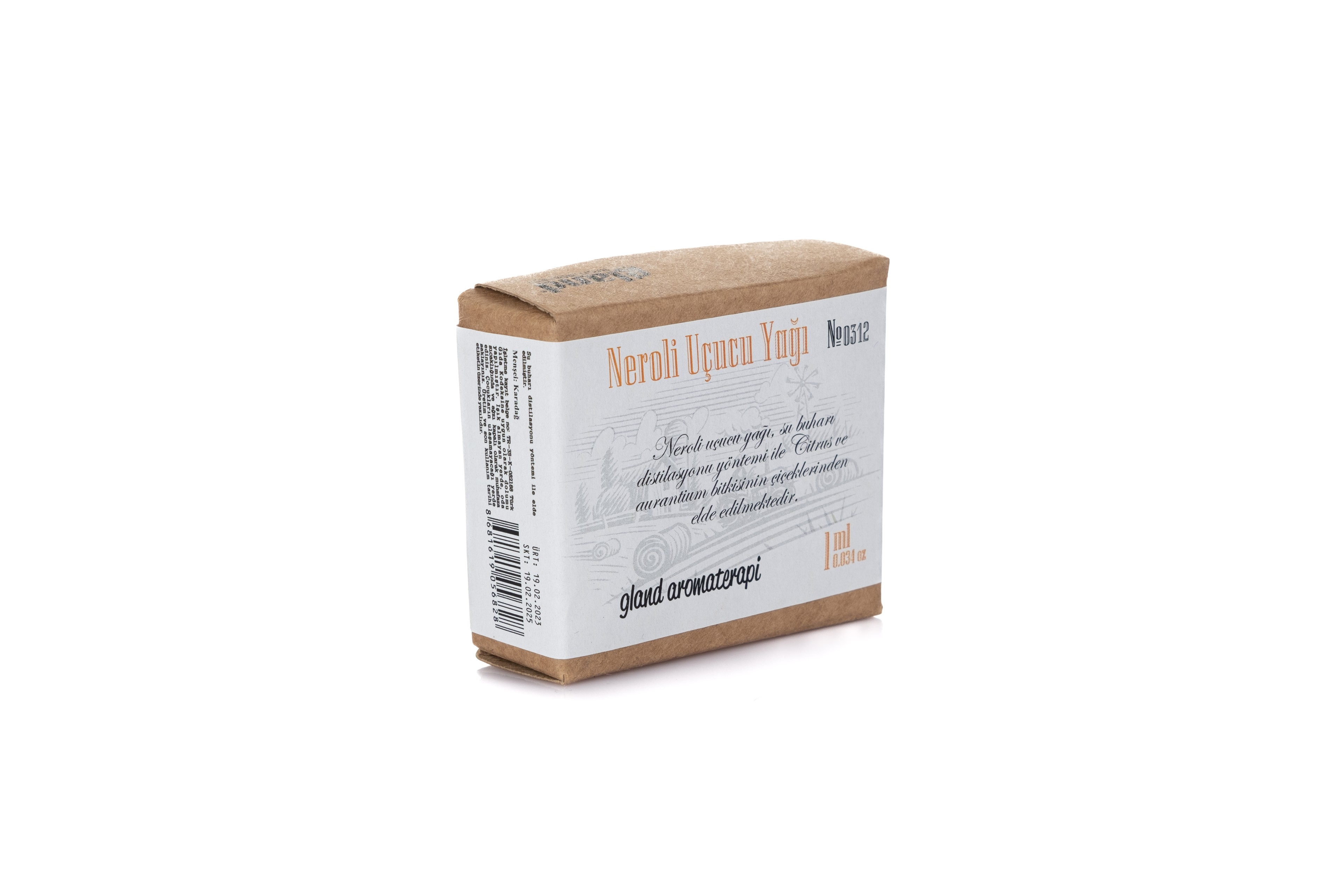
Neroli essential oil is derived from the blossoms of the bitter orange tree (Citrus aurantium), a member of the citrus family. The oil is obtained through steam distillation of the delicate white flowers. Known for its sweet, floral, and lightly citrusy aroma, neroli essential oil is widely used in perfumery and aromatherapy.
Chemical Components & Therapeutic Properties
The therapeutic effects of neroli essential oil are attributed to its rich chemical composition:
Linalool: Exhibits calming, anxiolytic, and antidepressant properties.
Geraniol: Possesses antibacterial and antifungal effects.
Nerol: Known for its soothing and mood-enhancing properties.
Citral: Provides antiseptic and anti-inflammatory benefits.
Uses of Neroli Essential Oil in Aromatherapy
Aromatherapy aims to improve physical and psychological well-being through the use of essential oils. Neroli essential oil may be used in the following ways:
1. Inhalation
Diffuser: When diffused into the air, neroli oil may help reduce stress and anxiety while creating a calming and uplifting atmosphere.
Steam Inhalation: Adding a few drops of neroli oil to hot water and inhaling the steam may help ease respiratory discomfort and promote relaxation.
2. Topical Applications
Massage Oil: When diluted with a carrier oil, neroli essential oil may be applied during massage to help relieve muscle tension, rheumatic discomfort, and skin inflammation. Its soothing and anti-inflammatory properties support localized relaxation.
Skincare: Blended with carrier oils, neroli oil may support skin regeneration, reduce visible signs of aging, help with acne and dark spots, and improve overall skin appearance.
3. Bath
Adding a few drops of neroli essential oil to warm bath water may help relax the body, ease muscle tension, and reduce stress.
Scientific Research
Scientific studies support several beneficial properties of neroli essential oil:
Anxiolytic & Antidepressant Effects: Aromatherapeutic use of neroli oil has been shown to help alleviate symptoms of anxiety and depression. Research indicates that its aroma promotes relaxation and improves mood (Moss et al., 2010).
Antiseptic & Anti-inflammatory Properties: Compounds such as citral and linalool contribute to neroli oil’s antiseptic and anti-inflammatory effects, which may be beneficial for inflammatory skin conditions (Mahmoudi et al., 2007).
Skin Health: Neroli oil may support skin cell regeneration, reduce visible signs of aging, even out skin tone, and help diminish the appearance of blemishes and spots (Falk et al., 2005).
Neroli essential oil is a highly valued aromatherapy ingredient with a long history in both traditional and modern wellness practices. While generally considered safe, it should always be diluted with a suitable carrier oil for topical use, and a patch test is recommended prior to application. As with all essential oils, consultation with a qualified professional is advised, particularly for sensitive individuals or during pregnancy.