Product Description
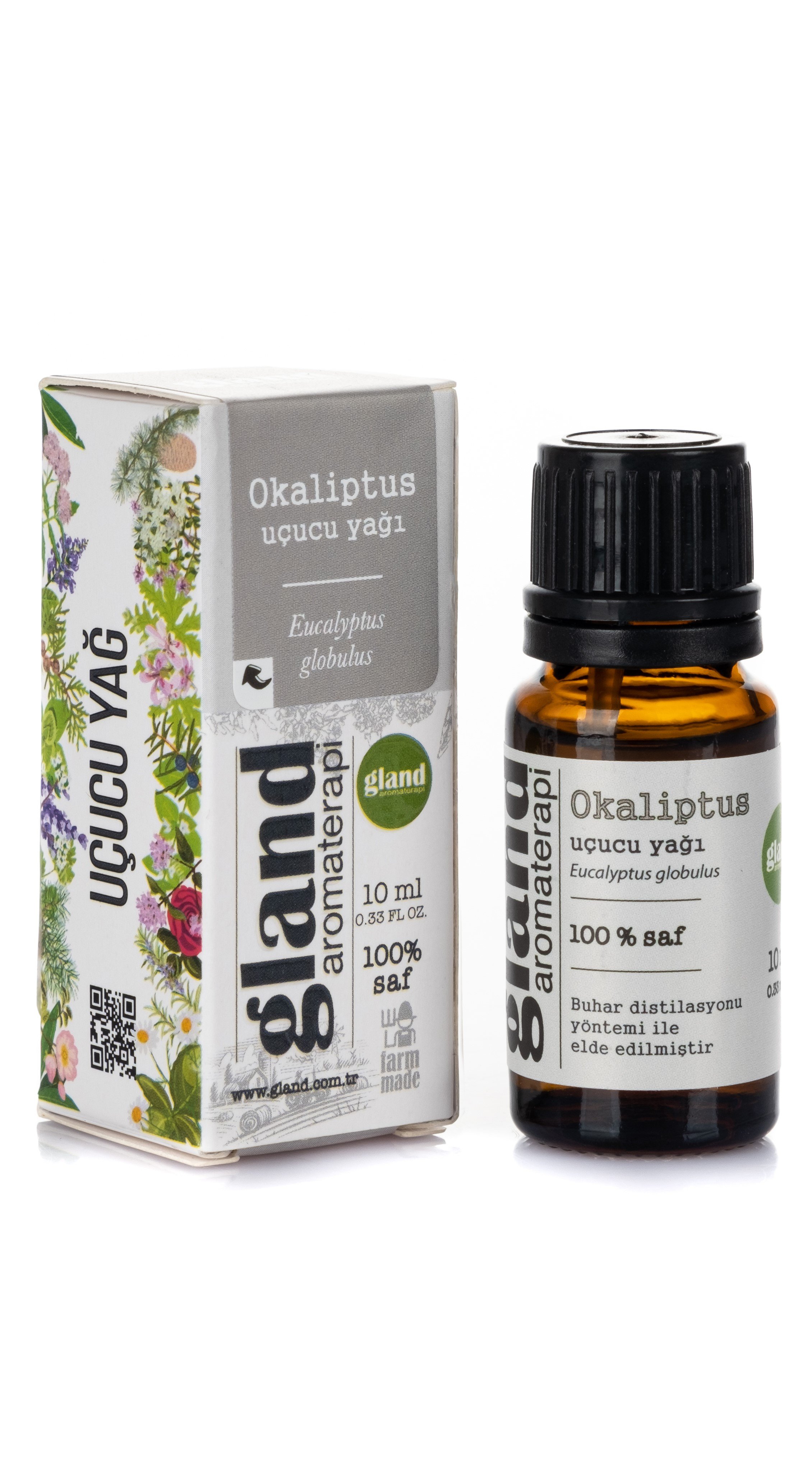
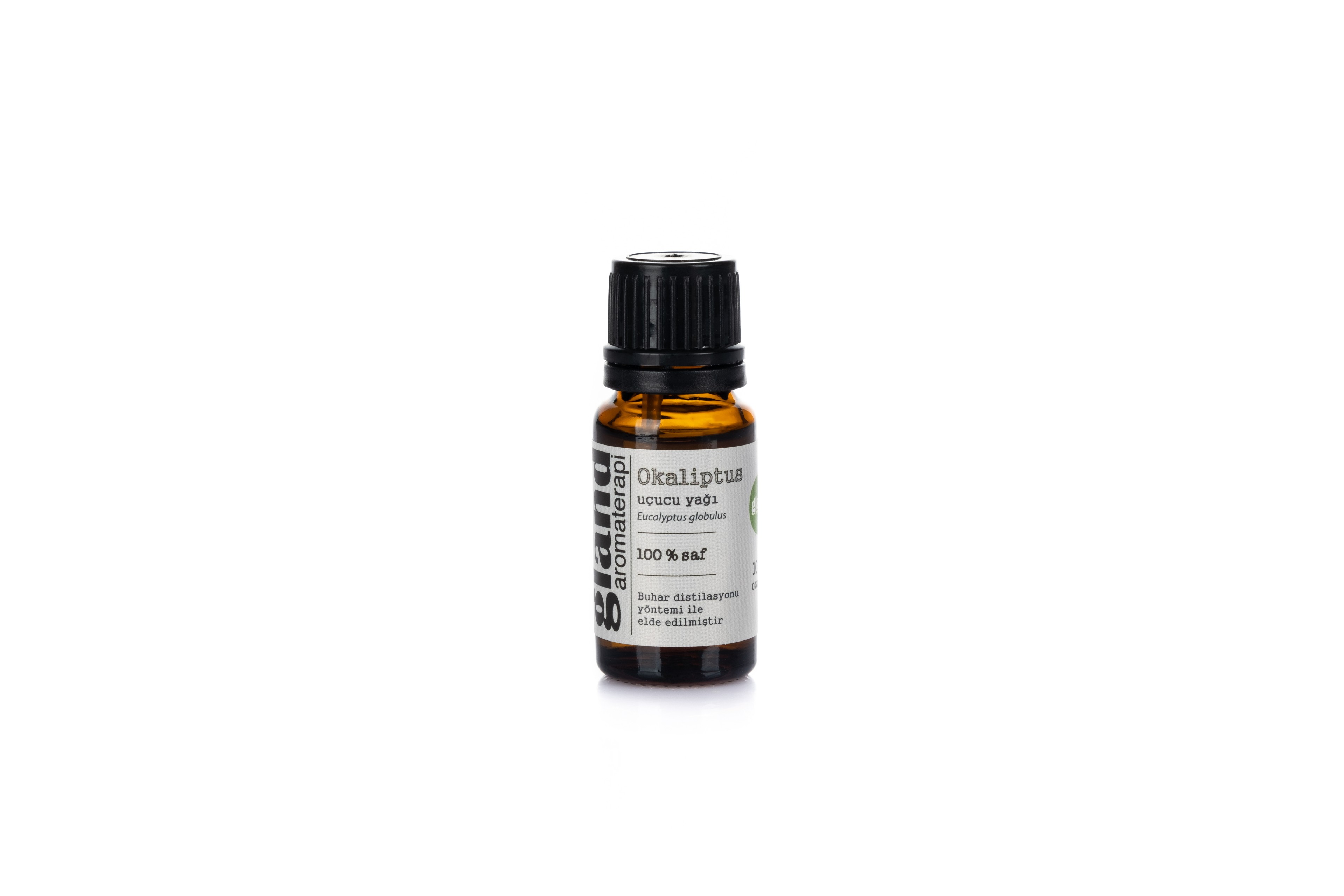
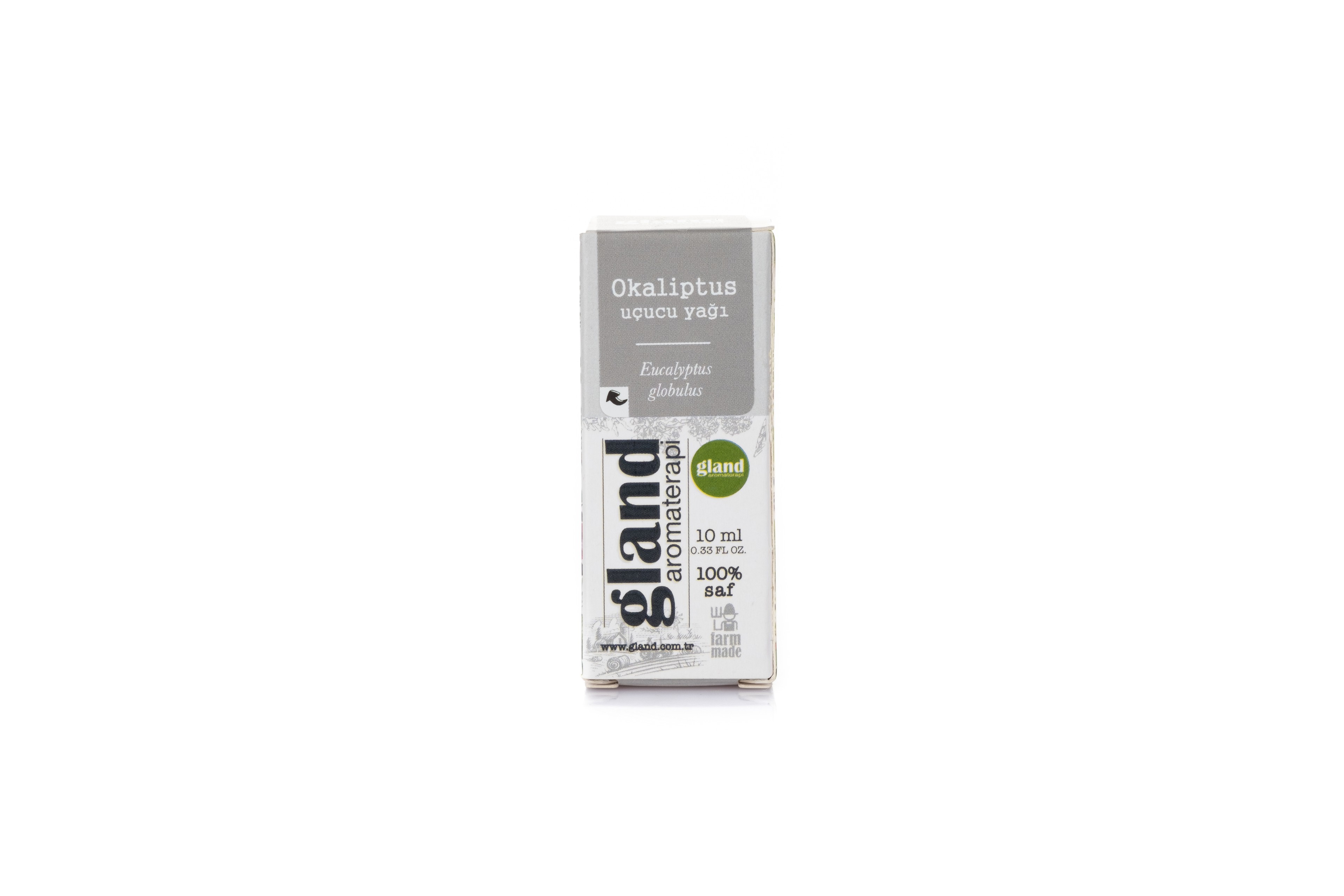
Eucalyptus (Eucalyptus globulus) is a tree belonging to the Myrtaceae family and is widely cultivated in regions such as Australia, South America, and the Mediterranean. Eucalyptus essential oil is obtained from the leaves of the tree through steam distillation. With its sharp, fresh, and invigorating aroma, this oil is well known for its broad range of benefits and its extensive use in aromatherapy.
Chemical Composition
Eucalyptus essential oil contains a variety of biologically active constituents. The main components include:
1,8-Cineole (Eucalyptol): Exhibits antibacterial, antifungal, anti-inflammatory, and decongestant properties.
α-Pinene: Known for its antimicrobial and antioxidant effects.
Limonene: Possesses antioxidant and antimicrobial properties.
γ-Terpinene: Exhibits antimicrobial and antioxidant activity.
Terpinen-4-ol: Known for its antiseptic and anti-inflammatory properties.
Potential Benefits
Eucalyptus essential oil is associated with a wide range of supportive benefits:
Respiratory Support: Due to its high 1,8-cineole content, eucalyptus oil may help ease breathing, clear nasal congestion, and support comfort in conditions such as bronchitis, sinusitis, and common cold symptoms.
Antiseptic and Antibacterial Properties: Eucalyptus oil may help support the care of minor skin infections and wounds and can be used as an antiseptic for cuts and minor burns when properly diluted.
Anti-inflammatory Effects: Eucalyptus oil may help reduce inflammation and ease muscle and joint discomfort.
Immune System Support: Thanks to its antimicrobial properties, eucalyptus oil may help strengthen immune defenses and reduce the risk of infections.
Skin Care Support: Eucalyptus oil may help support care routines for acne, blemishes, and irritated skin, promoting overall skin health.
Use in Aromatherapy
Aromatherapy is a practice that uses essential oils to support physical and emotional well-being. Eucalyptus essential oil can be used in aromatherapy in the following ways:
Diffusers and Room Sprays: When used in a diffuser or room spray, eucalyptus oil may help purify the air and create a fresh, revitalizing atmosphere.
Massage Oils: When diluted with suitable carrier oils, eucalyptus oil can be used in massage applications for its cooling and relaxing effects, helping to ease muscle tension and discomfort.
Steam Inhalation: Adding a few drops of eucalyptus oil to hot water for steam inhalation may help clear congestion and support comfortable breathing.
Bath Oils: When added to bath water (after proper dilution), eucalyptus oil may provide cleansing, refreshing, and relaxing effects.
Application and Safety
Eucalyptus essential oil should always be diluted with a carrier oil before topical application. Pregnant women, breastfeeding mothers, and young children should consult a healthcare professional before use. Eucalyptus oil may cause skin irritation in some individuals; therefore, a patch test is recommended before first use. Due to its strong aromatic constituents, contact with the eyes and mucous membranes should be avoided.
Eucalyptus essential oil is a powerful and refreshing essential oil valued for its antibacterial, anti-inflammatory, antiseptic, and purifying properties. When used correctly and in appropriate dilution, it may support respiratory health, skin care, immune function, and muscle and joint comfort.