
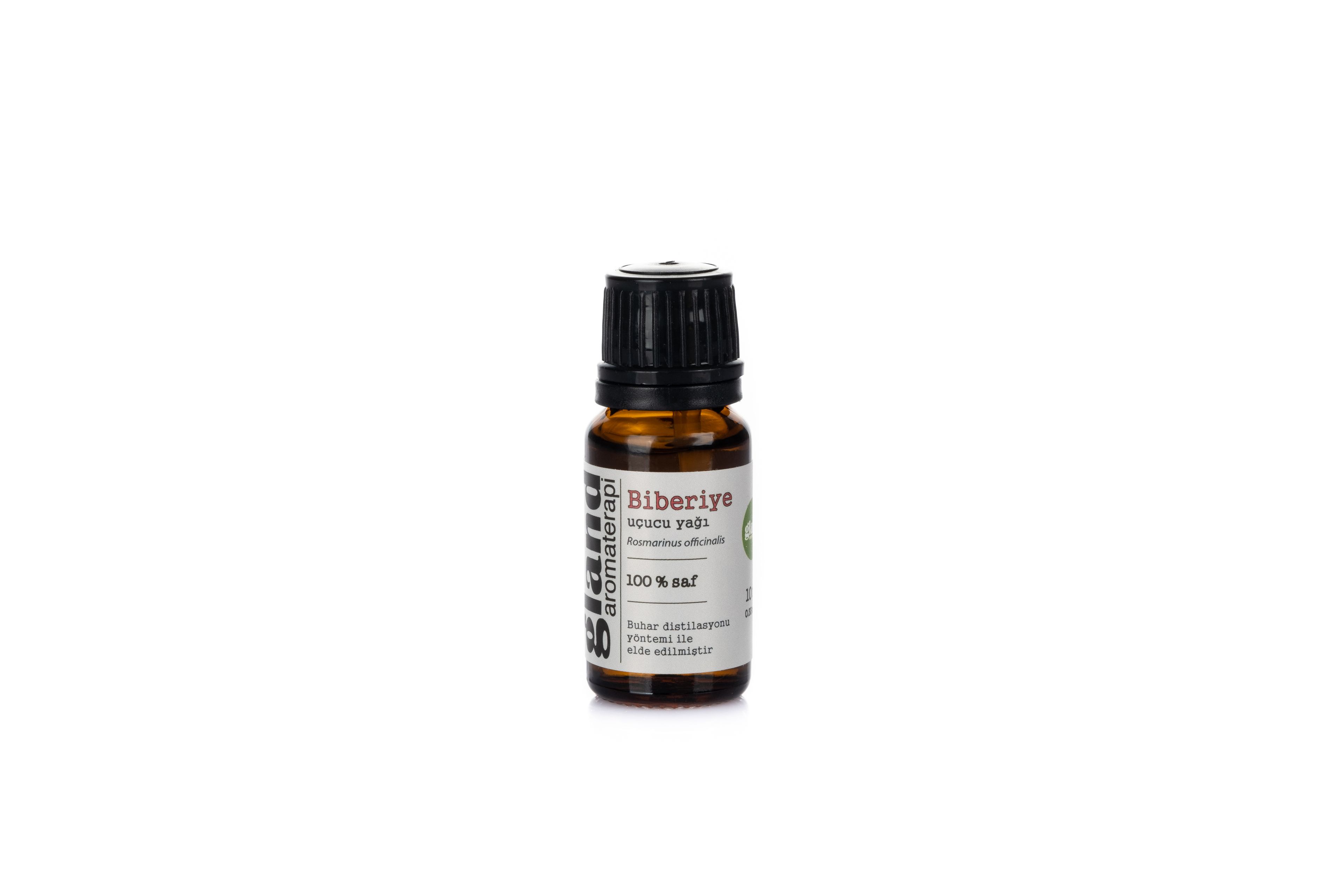
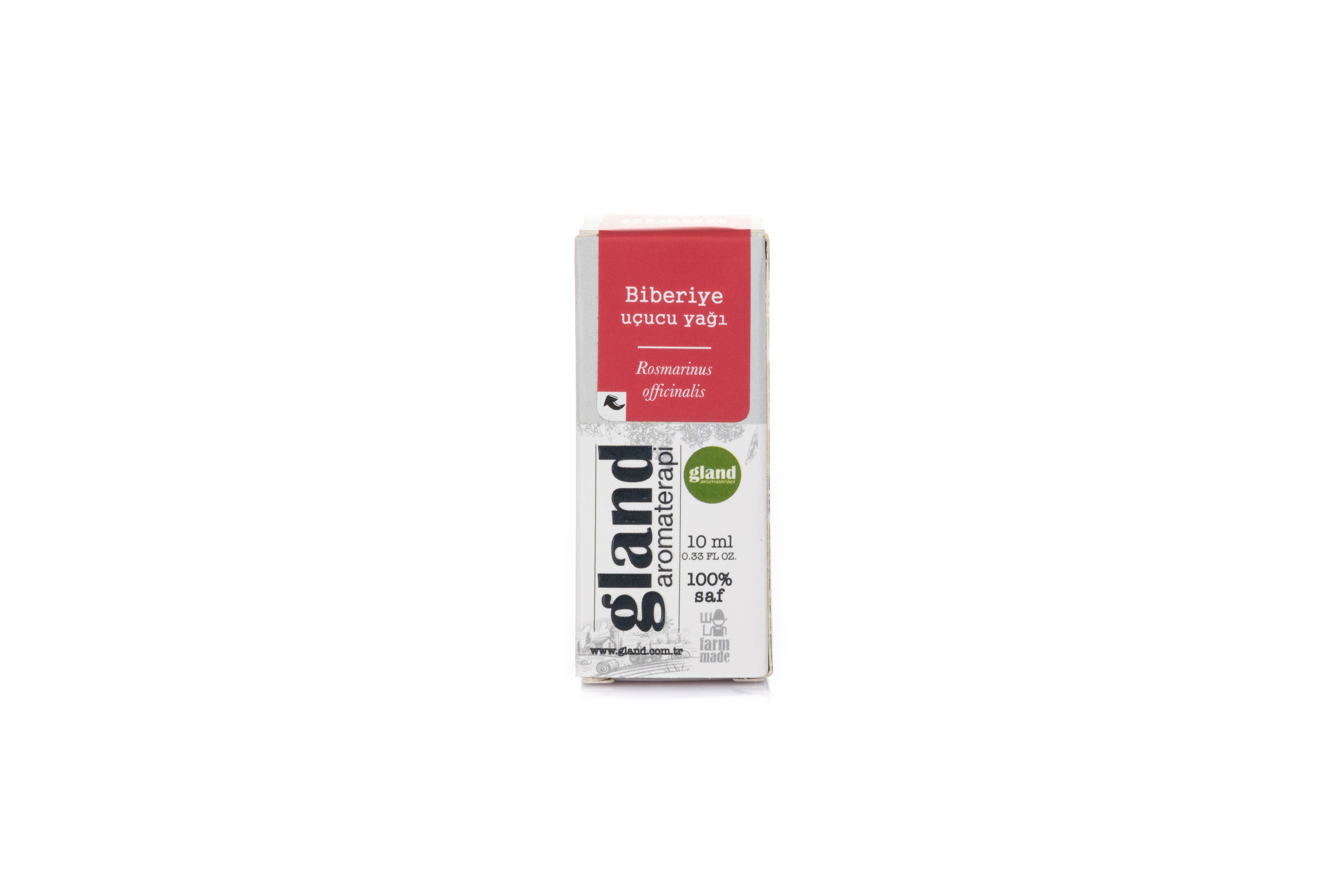
Rosemary (Rosmarinus officinalis) is a plant native to the Mediterranean region with a long history of use in both culinary traditions and traditional medicine. Rosemary essential oil is obtained from the leaves of the plant and is widely recognized for its broad range of benefits in aromatherapy.
Chemical Composition
Rosemary essential oil contains a variety of active constituents. The primary components include:
- Carnosol: Possesses antioxidant properties that may help reduce cellular damage and support overall health.
- Carnosic Acid: A powerful antioxidant and anti-inflammatory compound that may help protect cells from oxidative stress.
- 1,8-Cineole (Eucalyptol): Known for its respiratory-supporting and anti-inflammatory effects.
- α-Pinene: May exhibit respiratory-clearing, anti-inflammatory, and antimicrobial properties.
- Borneol: A constituent recognized for its antiseptic and soothing qualities.
Potential Benefits
Rosemary essential oil is associated with a wide range of supportive effects:
- Memory and Concentration: Rosemary oil is thought to support cognitive function and enhance mental clarity. Some studies suggest it may help improve focus and memory.
- Antioxidant and Anti-inflammatory Effects: Constituents such as carnosol and carnosic acid may help reduce oxidative stress and inflammation at the cellular level.
- Digestive Support: May support digestive function and help relieve stomach discomfort and gas.
- Pain-Relieving Properties: Its anti-inflammatory and soothing effects may help ease muscle and joint discomfort.
- Hair and Skin Care: May help reduce hair loss and stimulate the scalp. It can also support care routines for acne-prone or inflamed skin.
Use in Aromatherapy
Aromatherapy is a practice that uses essential oils to support physical and emotional well-being. Rosemary essential oil can be used in aromatherapy in the following ways:
- Diffusers and Room Sprays: When used in a diffuser or room spray, rosemary oil may help purify the air and promote mental clarity.
- Massage Oils: When diluted with suitable carrier oils, rosemary oil can be used in massage applications to help relax muscles and ease discomfort.
- Steam Inhalation: Adding a few drops of rosemary oil to hot water for steam inhalation may help support comfortable breathing and enhance mental alertness.
- Hair and Skin Care: Properly diluted rosemary oil can be added to hair care products or skincare formulations. It may help support scalp health and reduce skin inflammation.
Application and Safety
Rosemary essential oil should always be diluted with a carrier oil before topical application. Pregnant women, breastfeeding mothers, and children should consult a healthcare professional before use. High doses of rosemary oil may cause headaches or other discomfort in some individuals; therefore, it should be used with care.
Rosemary essential oil is a notable oil due to its wide range of benefits and diverse applications in aromatherapy. Thanks to its antioxidant, anti-inflammatory, and clarity-supporting properties, it may be beneficial for cognitive support, digestion, hair care, and skin wellness. For safe use, proper dilution and appropriate dosage should always be observed.