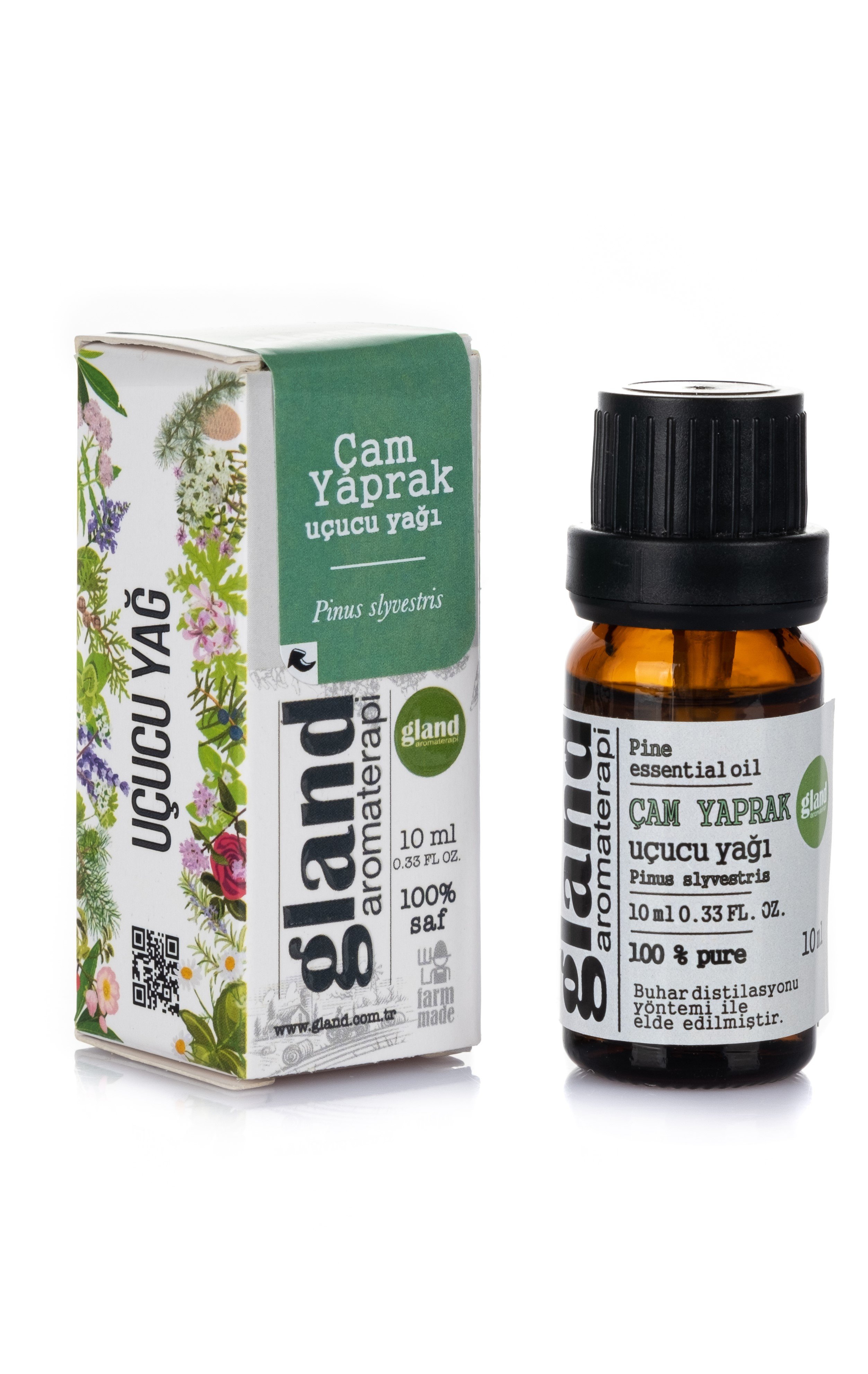
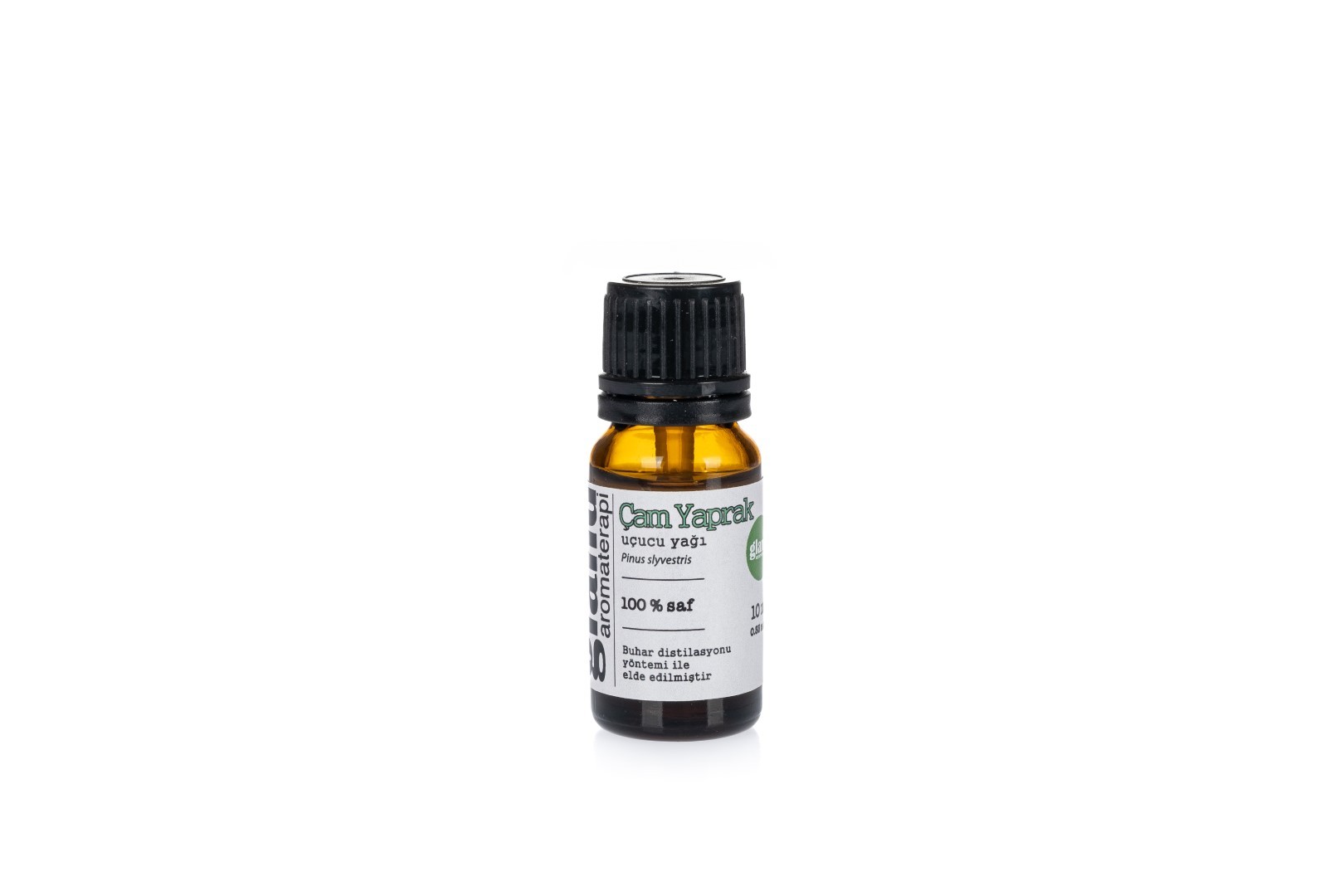
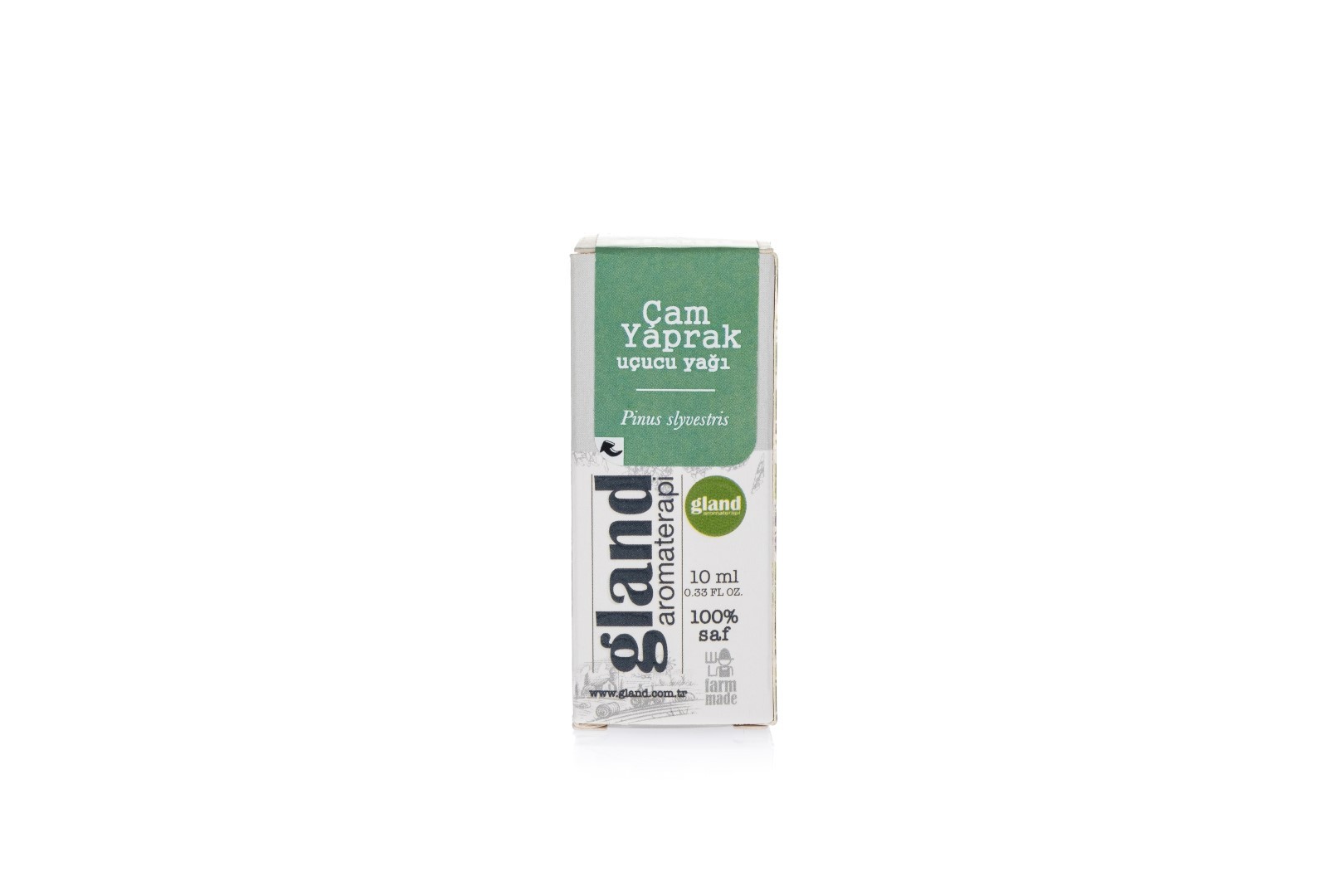
Pine (Pinus sylvestris) is a widely distributed tree species found across many regions of the world, particularly in forested areas. Pine needle essential oil is obtained from the needles of the pine tree and has a broad range of applications in both traditional medicine and modern aromatherapy.
Chemical Composition
Pine needle essential oil contains a variety of biologically active constituents. The main components include:
Pinene: Commonly found in pine and other coniferous plants, including the α-pinene and β-pinene isomers. Known for its anti-inflammatory, antiseptic, and respiratory-supporting properties.
Limonene: A constituent that provides a citrus-like aroma and is associated with uplifting and mood-supportive effects.
Bornyl Acetate: Known for its calming and relaxing properties.
Cadinene: A component with antiseptic and anti-inflammatory characteristics.
Camphene: Recognized for its antioxidant and antiseptic properties.
Potential Benefits
Pine needle essential oil is associated with a variety of supportive effects:
Respiratory Health: Constituents such as pinene and limonene may help clear and support the respiratory tract. It may be beneficial in conditions such as coughs, bronchitis, and sinus congestion.
Antiseptic and Antimicrobial Properties: Pine oil may be effective against certain bacteria and fungi, helping to reduce the risk of infection.
Pain-Relieving and Anti-inflammatory Effects: Pinene and bornyl acetate may help ease muscle and joint discomfort.
Skin Care Support: Thanks to its anti-inflammatory and antiseptic properties, it may support care routines for acne-prone or inflamed skin and help promote wound healing.
Mental Relaxation: Constituents such as limonene and bornyl acetate may help promote relaxation and reduce stress.
Use in Aromatherapy
Aromatherapy is a practice that uses essential oils to support physical and emotional well-being. Pine needle essential oil can be used in aromatherapy in the following ways:
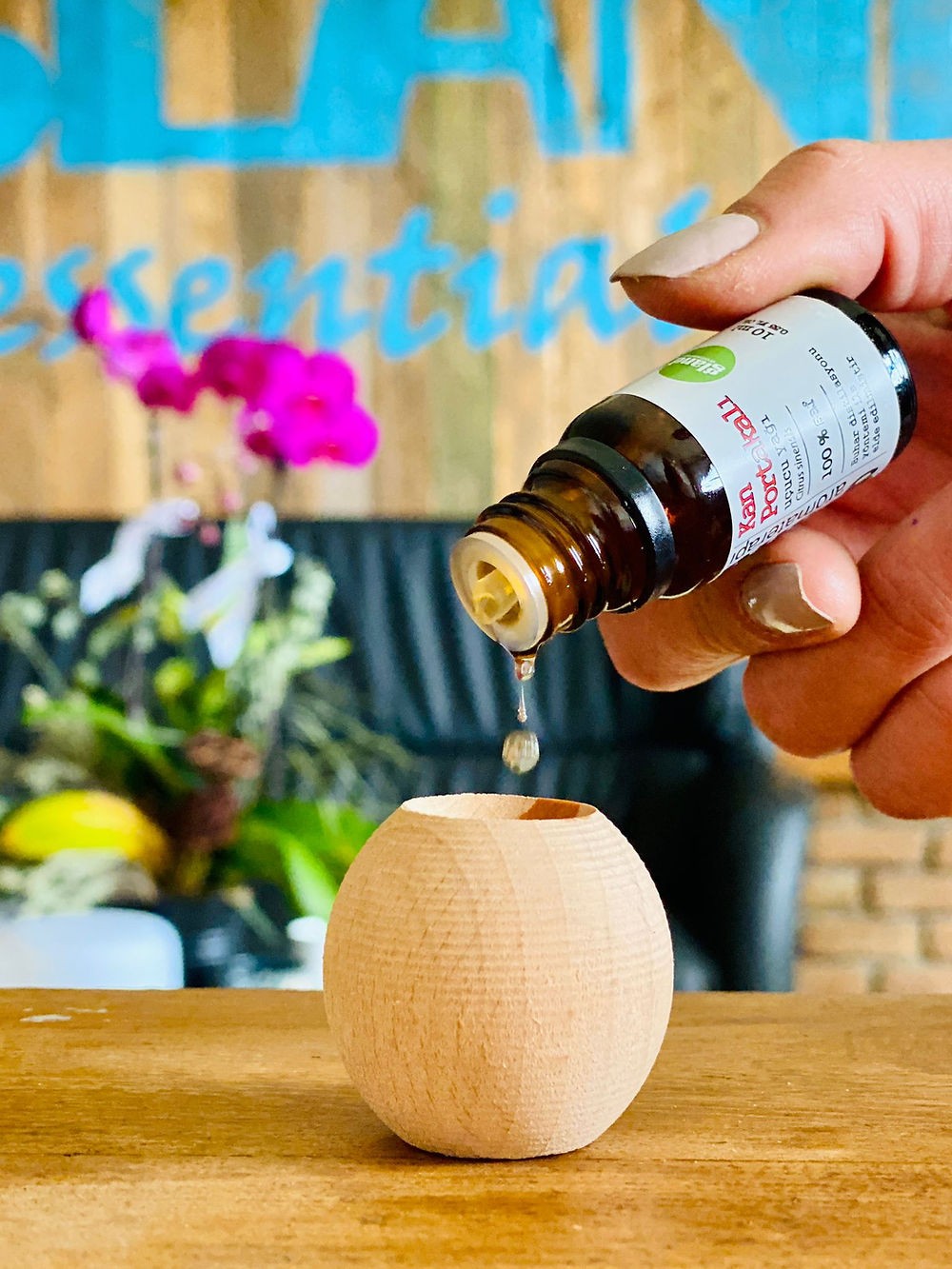
Diffusers and Room Sprays: When used in a diffuser or room spray, pine oil may help purify the air and create a refreshing, relaxing atmosphere, particularly supporting respiratory comfort.
Massage Oils: When diluted with suitable carrier oils, pine oil can be used in massage applications to help relax muscles and ease discomfort.
Steam Inhalation: Adding a few drops of pine oil to hot water for steam inhalation may help clear and soothe the respiratory tract.
Skin Care: Properly diluted pine oil can be added to skincare formulations to help support acne-prone or inflamed skin.
Application and Safety
Pine needle essential oil should always be diluted with a carrier oil before topical application. Pregnant women, breastfeeding mothers, and children should consult a healthcare professional before use. In high doses, pine oil may cause skin irritation in some individuals; therefore, careful use is recommended.
Pine needle essential oil is a notable essential oil due to its wide range of potential benefits and diverse uses in aromatherapy. Thanks to its antioxidant, antiseptic, anti-inflammatory, and respiratory-supporting properties, it may be beneficial for respiratory health, pain management, and skin care. For safe use, proper dilution and appropriate dosage should always be observed.