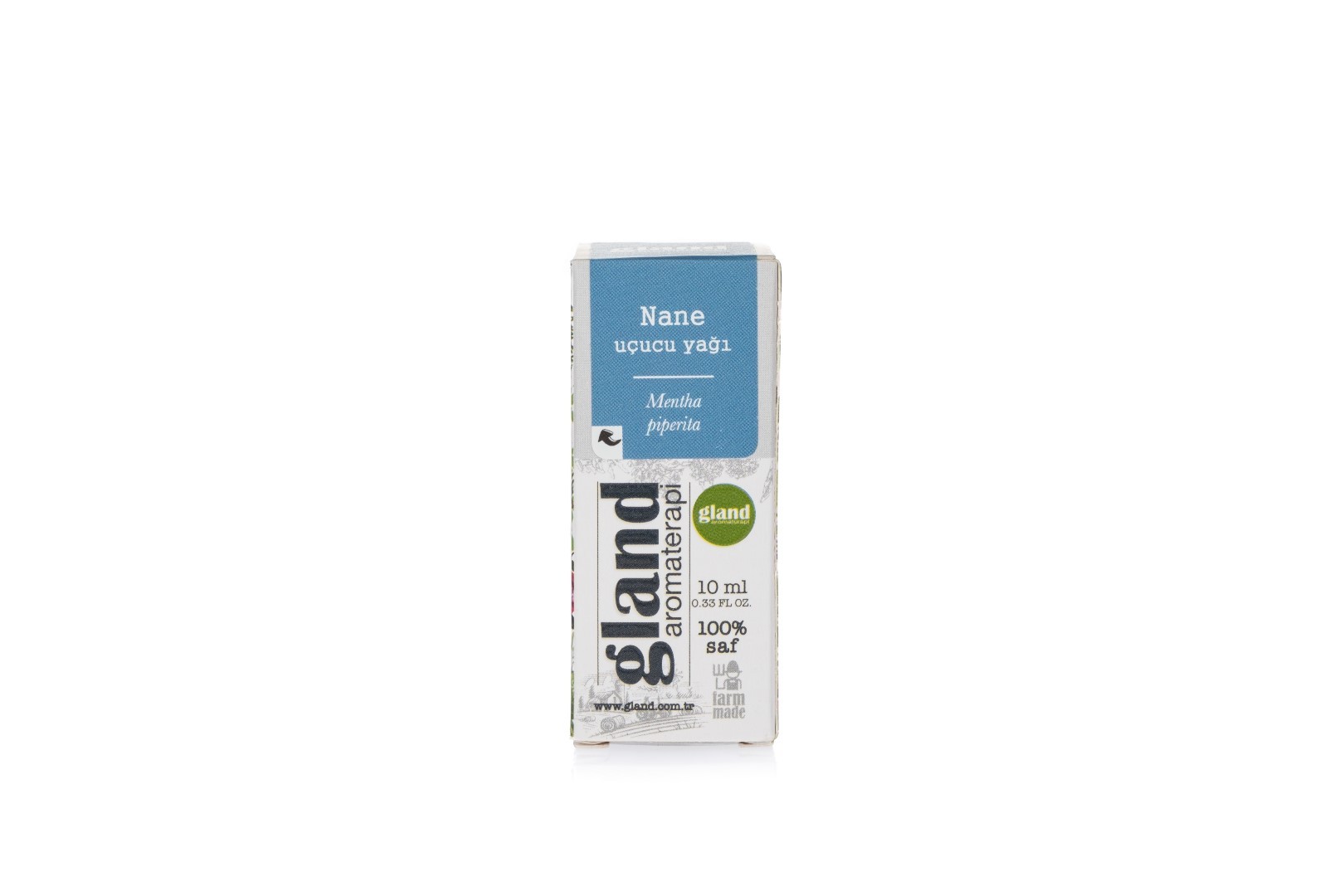
Product Description
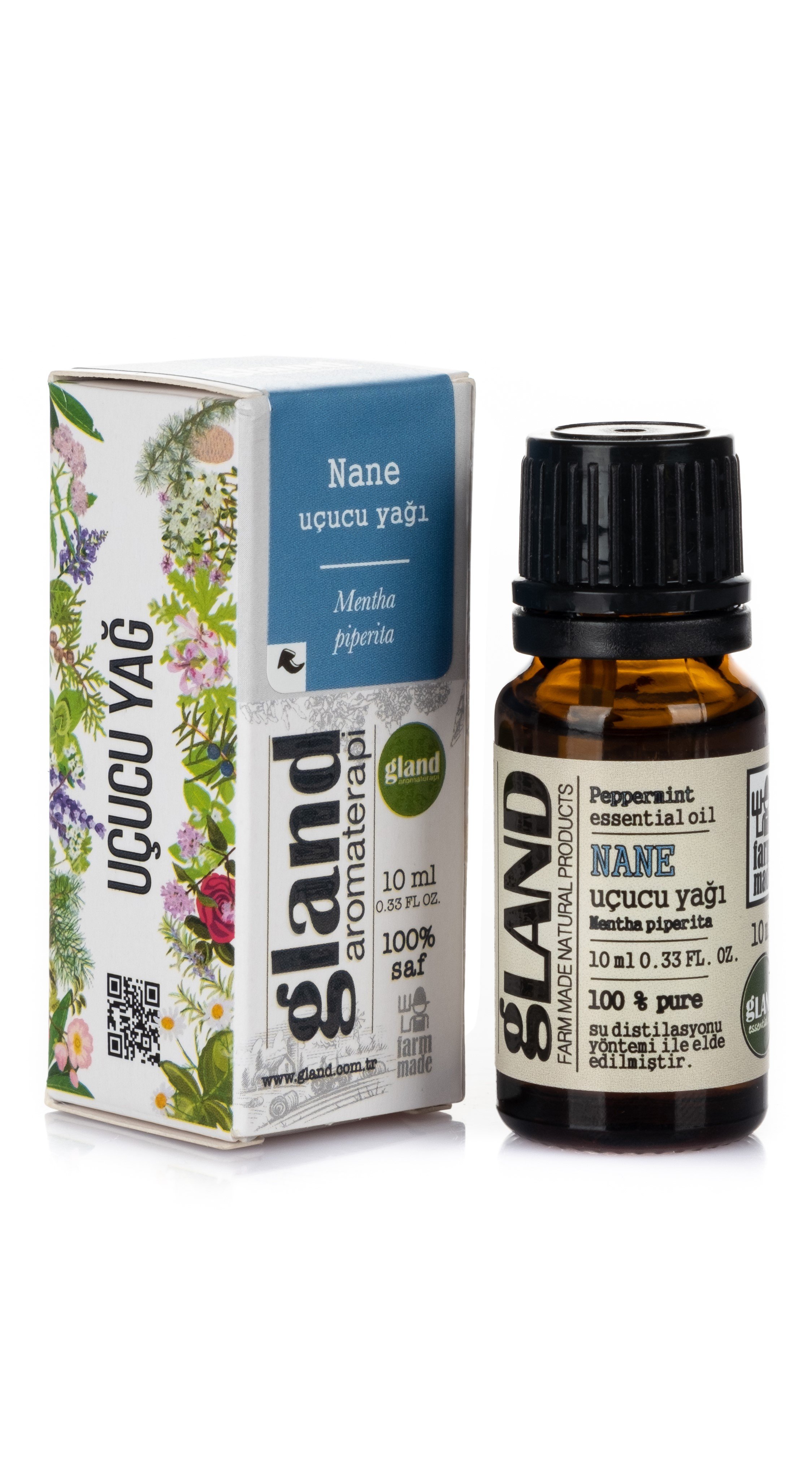
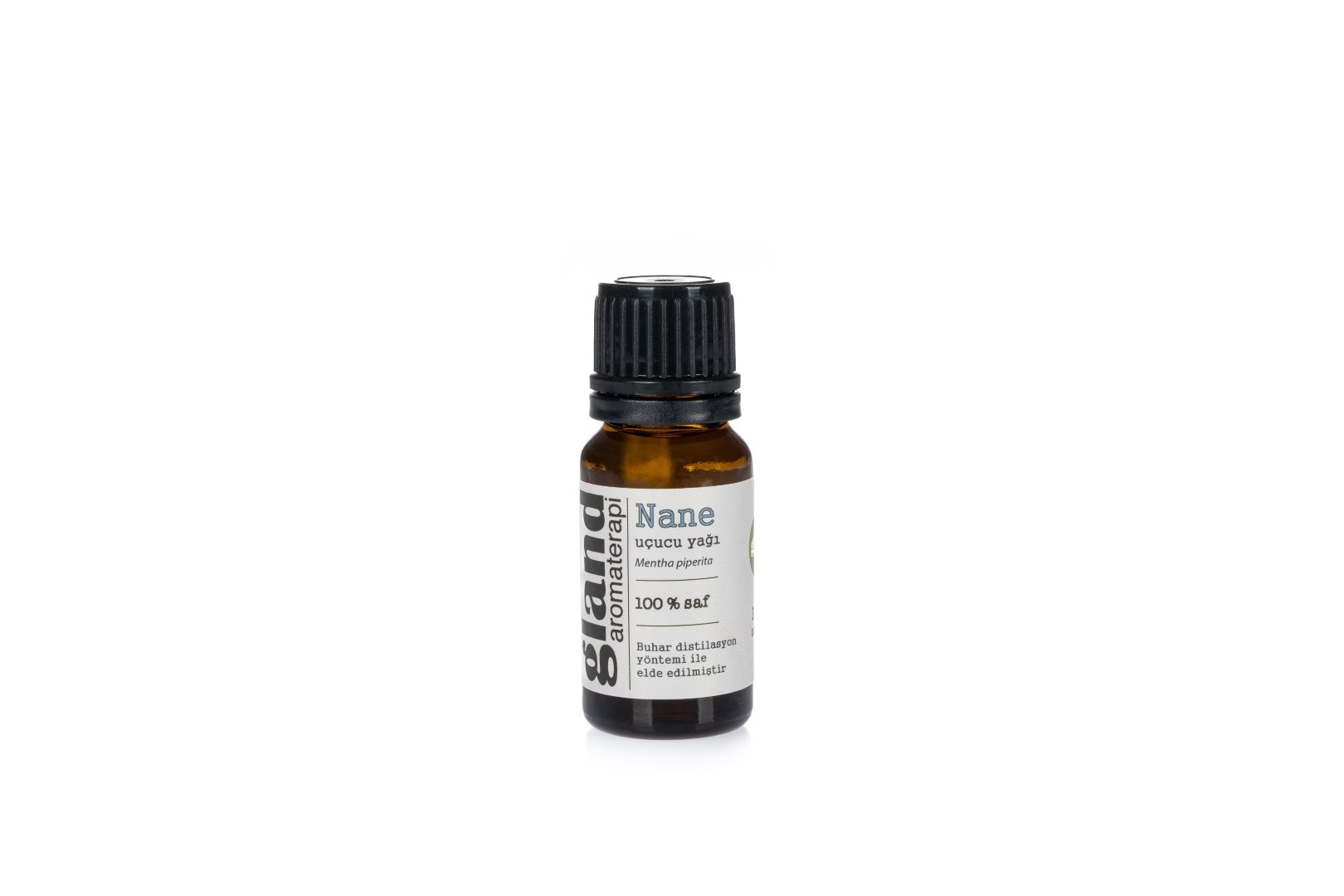
Peppermint (Mentha piperita) is a plant belonging to the Lamiaceae family and is well known for its fresh, cooling aroma. Peppermint essential oil is obtained from the leaves and flowering tops of the plant through steam distillation. With its intense and refreshing scent, this oil is widely valued for its versatile benefits and extensive use in aromatherapy.
Chemical Composition
Peppermint essential oil contains a range of biologically active constituents. The primary components include:
Menthol: The main constituent of peppermint oil, known for its strong analgesic, antimicrobial, and anti-inflammatory properties.
Menthone: Exhibits analgesic and anti-inflammatory effects.
1,8-Cineole: Provides antibacterial, antifungal, and antioxidant properties.
Limonene: Known for its antioxidant and antimicrobial activity.
Menthyl Acetate: Contributes refreshing and calming effects.
Potential Benefits
Peppermint essential oil is associated with a variety of supportive benefits:
Headaches and Migraines: Menthol may help relieve headaches. Applying properly diluted peppermint oil to the temples and forehead may provide a cooling, soothing effect.
Respiratory Support: Peppermint oil may help relieve nasal congestion and ease symptoms associated with colds and respiratory discomfort.
Digestive Support: Peppermint oil may help relax the digestive system, easing nausea, bloating, and gas.
Muscle and Joint Comfort: Menthol may help ease muscle and joint discomfort. Peppermint oil is commonly used in massage blends for this purpose.
Skin Support: Thanks to its antiseptic properties, peppermint oil may help soothe skin irritation and support care routines for minor skin concerns.
Use in Aromatherapy
Aromatherapy is a practice that uses essential oils to support physical and emotional well-being. Peppermint essential oil can be used in aromatherapy in the following ways:
Diffusers and Room Sprays: When used in a diffuser or room spray, peppermint oil may help freshen the air and create a revitalizing atmosphere.
Massage Oils: When diluted with suitable carrier oils, peppermint oil can be used during massage to help relax muscles and ease discomfort.
Steam Inhalation: Adding a few drops of peppermint oil to hot water for steam inhalation may help support clear breathing and relieve nasal congestion.
Bath Oils: When added to bath water (after proper dilution), peppermint oil may provide a refreshing and energizing bathing experience.
Skin Care: Properly diluted peppermint oil can be added to skincare products and may help support care routines for acne, skin irritation, and other minor skin concerns.
Application and Safety
Peppermint essential oil should always be diluted with a carrier oil before topical application. Pregnant women, breastfeeding mothers, and young children should consult a healthcare professional before use. Peppermint oil may cause skin irritation in some individuals; therefore, a patch test is recommended before first use. Due to its menthol content, contact with the eyes and mucous membranes should be avoided.
Peppermint essential oil is a highly versatile essential oil valued for its analgesic, antimicrobial, anti-inflammatory, and refreshing properties. When used correctly and in appropriate dilution, it may support headache relief, respiratory comfort, digestive balance, muscle and joint care, and skin health.