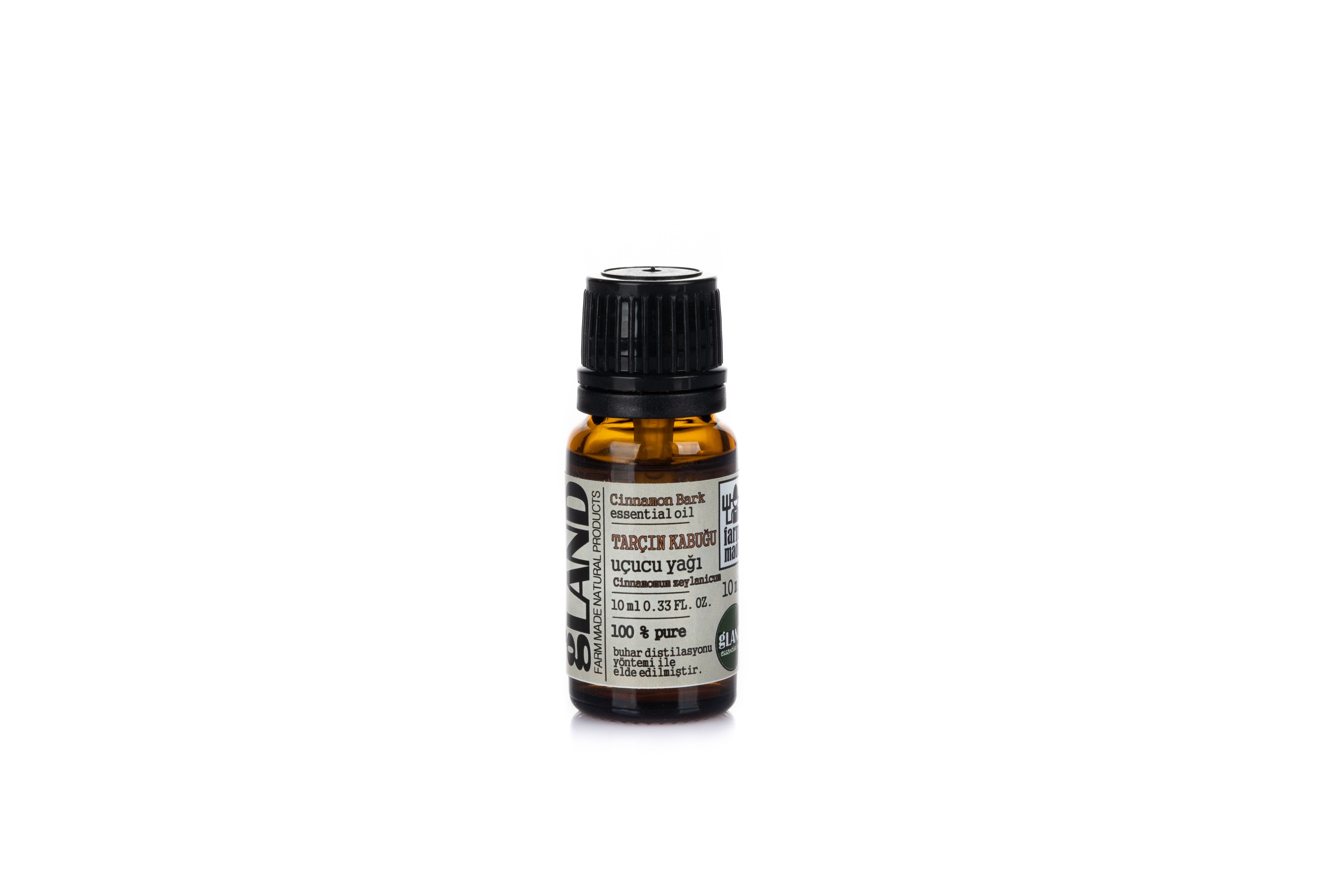
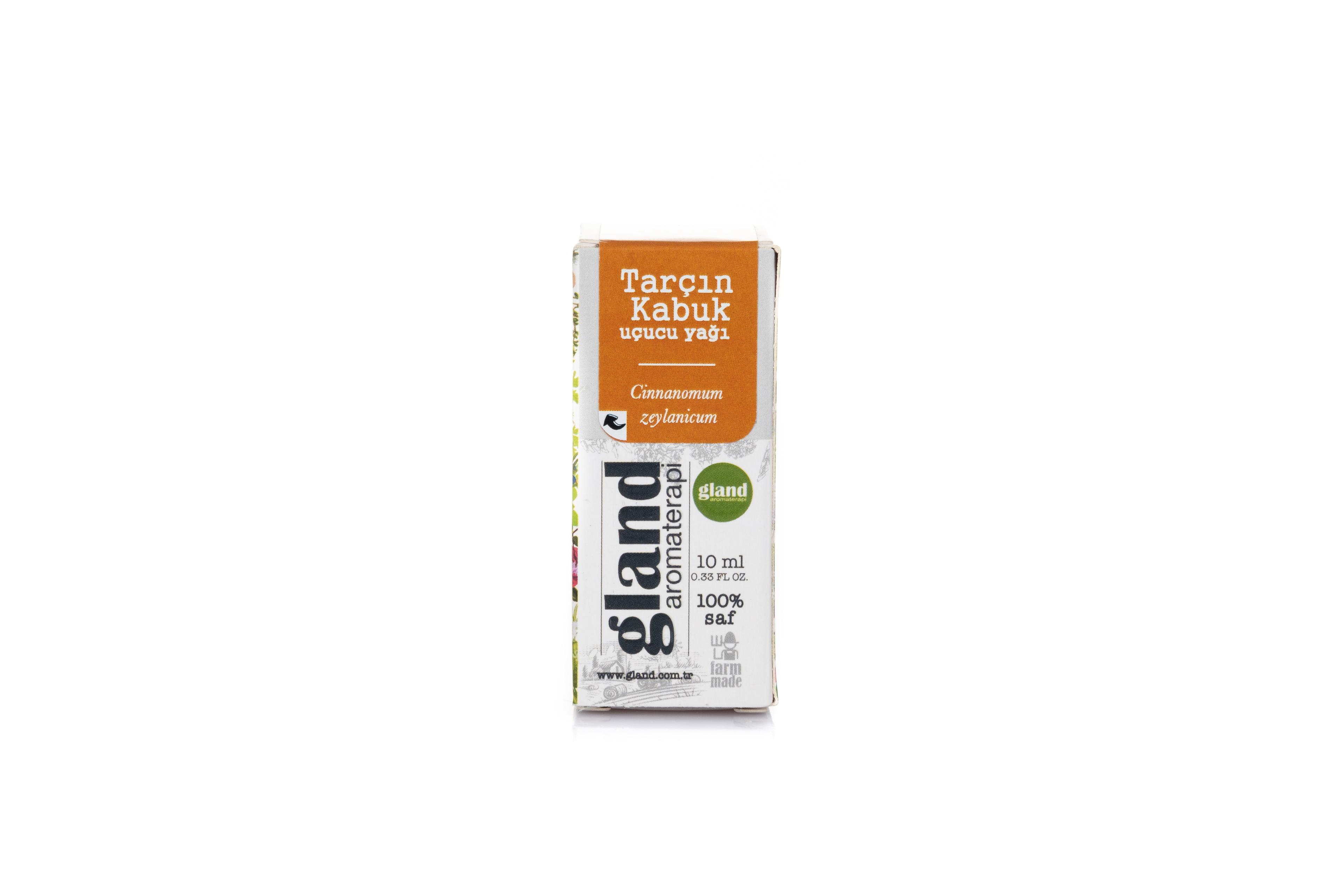
Product Description
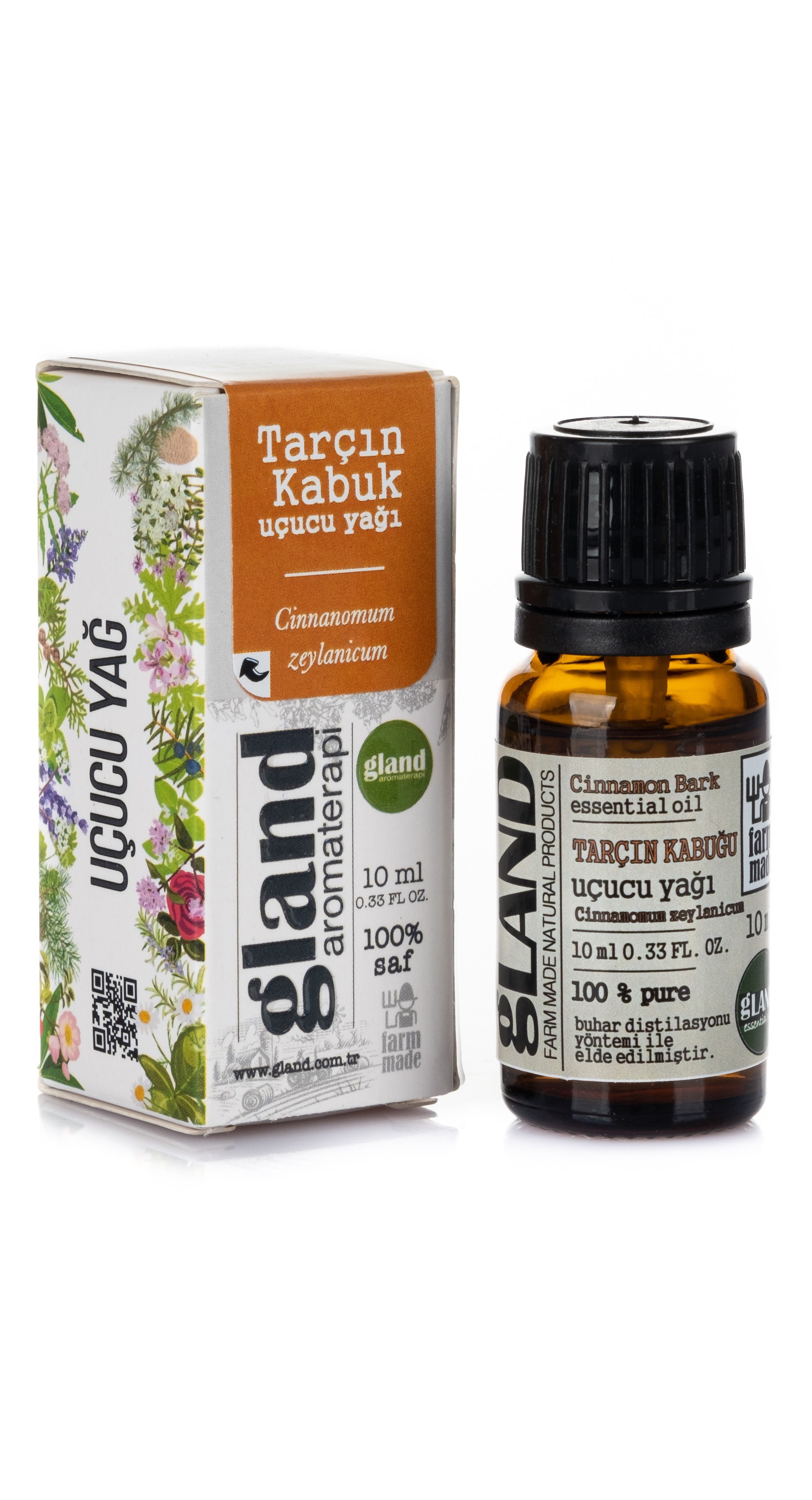
Cinnamon (Cinnamomum zeylanicum) is a tree belonging to the Lauraceae family and is native to tropical regions, particularly Sri Lanka and Southeast Asia. Cinnamon bark essential oil is obtained from the inner bark of the tree through steam distillation. With its warm, spicy, sweet, and slightly toasted aroma, this oil is well known for its potent properties and is widely used in aromatherapy and traditional applications.
Chemical Composition
Cinnamon bark essential oil contains highly active aromatic compounds. Its main constituents include:
Eugenol: Exhibits anti-inflammatory, antimicrobial, and analgesic properties.
Cinnamaldehyde: The primary active compound; known for strong antiseptic, antifungal, and antioxidant effects.
Linalool: Provides calming and mild anti-inflammatory properties.
Beta-Caryophyllene: Offers anti-inflammatory and pain-relieving effects.
Cinnamic Acid: Contributes antimicrobial and antioxidant activity.
Potential Benefits
Cinnamon bark essential oil is associated with a wide range of supportive benefits:
Antimicrobial Properties: May help protect against bacterial, viral, and fungal infections. It is often used for respiratory and skin-related concerns.
Anti-inflammatory Effects: Can help reduce inflammation and support relief from discomfort or pain.
Antioxidant Support: Helps neutralize free radicals and may reduce oxidative stress.
Digestive Support: Traditionally used to support digestion and ease gas or bloating.
Immune System Support: Its strong antimicrobial profile may help strengthen natural defenses.
Mood and Stress Support: The warm, comforting aroma can promote emotional balance and help reduce stress or tension.
Use in Aromatherapy
In aromatherapy, cinnamon bark essential oil is typically used in very low concentrations due to its intensity:
Diffusers and Room Sprays: When diffused in small amounts, it creates a warm, comforting, and cleansing atmosphere.
Massage Oils: When highly diluted with a carrier oil, it may be used to support circulation and ease muscle discomfort. Skin sensitivity is common, so extra caution is required.
Steam Inhalation: A few drops added to hot water may support respiratory comfort and mental clarity.
Bath Oils: Properly diluted, it can provide a warming and revitalizing bathing experience.
Skin Care: In very low dilution, it may be incorporated into formulations aimed at supporting skin health; direct application is not recommended.
Natural Cleaning Products: Commonly used in household cleaners for its strong antibacterial and deodorizing properties.
Application and Safety
Cinnamon bark essential oil is highly concentrated and potentially irritating. It must always be diluted with a suitable carrier oil before topical use. Pregnant women, breastfeeding mothers, individuals with sensitive skin, and young children should consult a healthcare professional prior to use. A patch test is strongly recommended before first application, as skin irritation or allergic reactions may occur.
Cinnamon bark essential oil is a powerful and aromatic oil valued for its antimicrobial, anti-inflammatory, antioxidant, and emotionally warming qualities. When used responsibly and in proper dilution, it can be a valuable addition to aromatherapy practices, digestive support routines, and natural cleaning formulations.