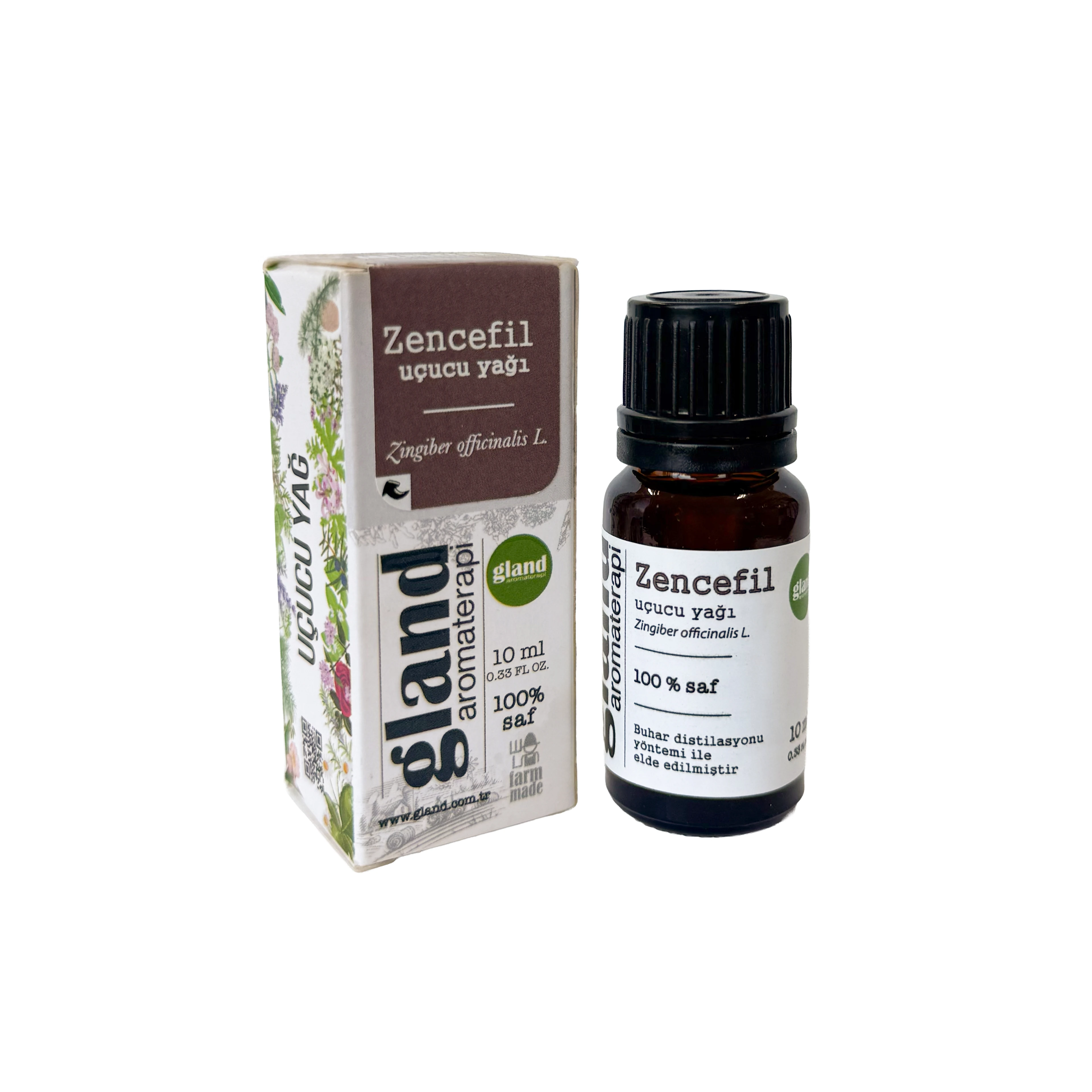
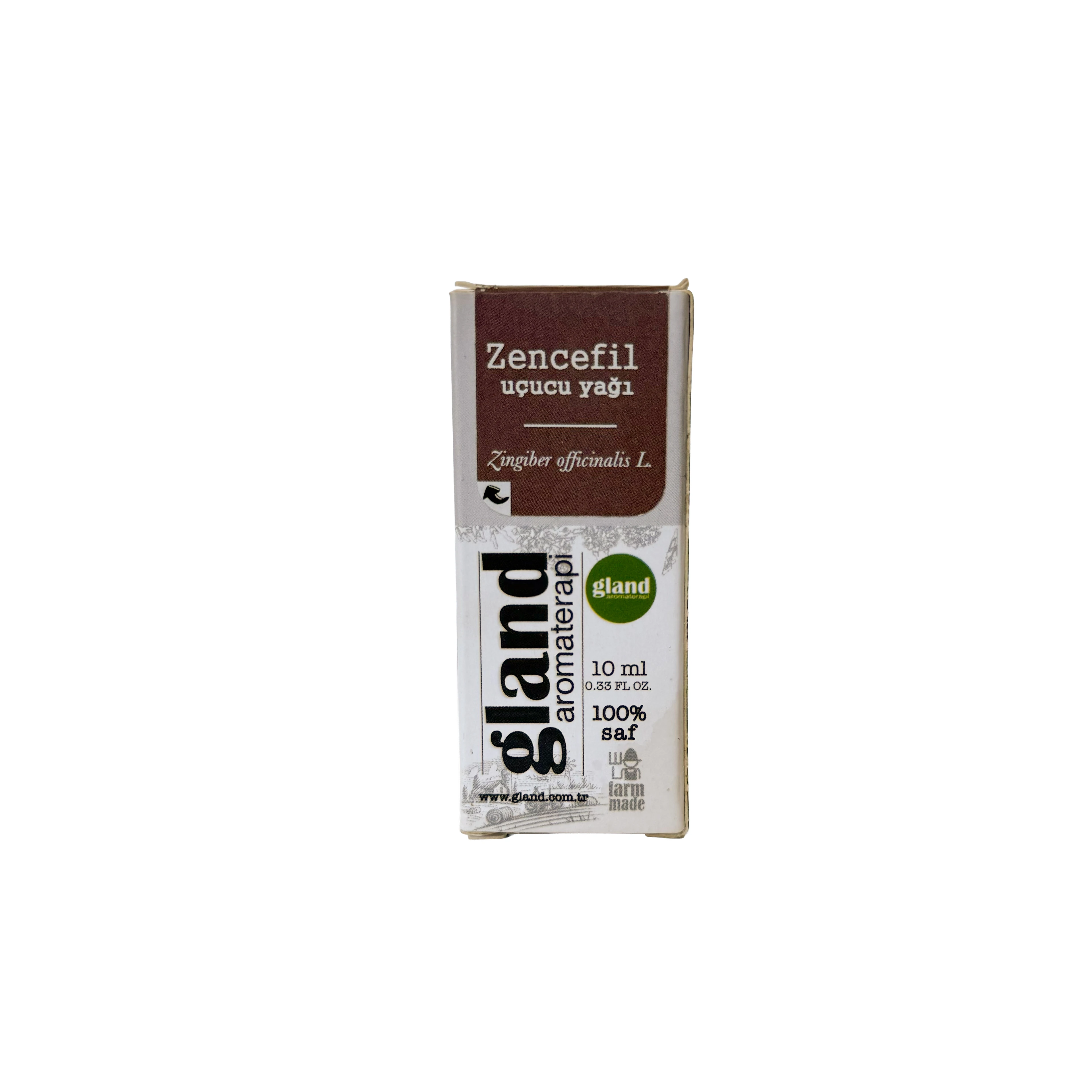
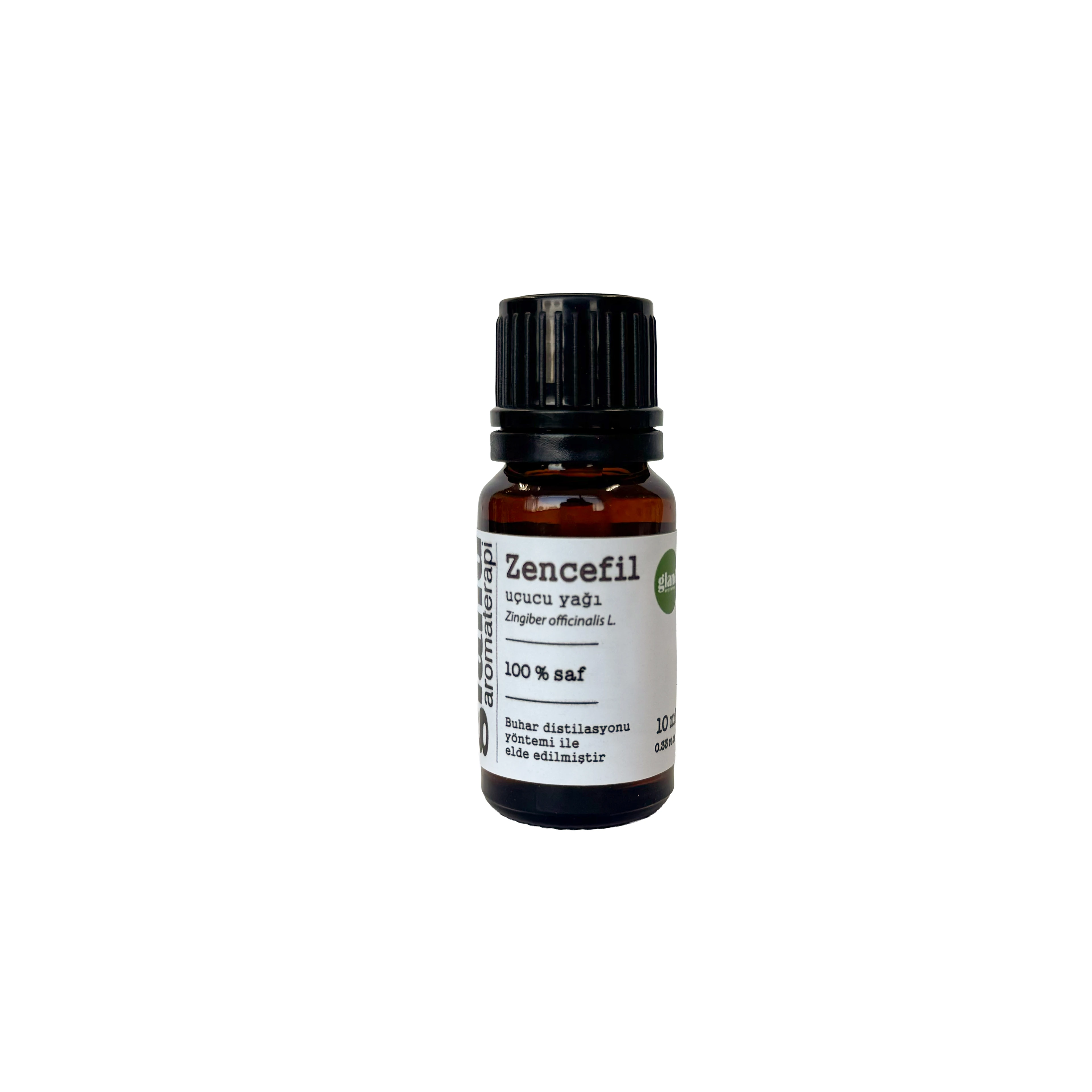
Product Description
Ginger essential oil is obtained from the rhizome of Zingiber officinale and is well known for its powerful aroma and wide range of therapeutic properties. The oil is produced by steam distillation of the ginger root and is characterized by its warm, spicy, and earthy scent typical of ginger. Ginger essential oil is rich in chemical constituents, including zingiberene, β-farnesene, camphene, and cineole.
The therapeutic properties of ginger essential oil are largely attributed to these key components:
Zingiberene: Exhibits anti-inflammatory and analgesic properties.
β-Farnesene: Possesses antibacterial and antifungal effects.
Camphene: Demonstrates antiseptic and mucolytic properties.
Cineole (1,8-cineole): Helps ease respiratory discomfort and shows antiviral activity.
Use of Ginger Essential Oil in Aromatherapy
Aromatherapy is a holistic practice that aims to enhance physical and psychological well-being through the use of plant-derived essential oils. Ginger essential oil is commonly used in aromatherapy in several ways:
1. Inhalation
Diffusers: Dispersing ginger essential oil into the air using a diffuser may help reduce stress and anxiety while creating a warming, grounding atmosphere.
Steam Inhalation: Adding a few drops of ginger essential oil to hot water and inhaling the steam may help alleviate symptoms associated with respiratory tract infections.
2. Topical Applications
Massage Oil: When diluted with a carrier oil, ginger essential oil can be applied through massage to help relieve muscle pain, joint discomfort, and rheumatic conditions. Its anti-inflammatory properties support relaxation and localized pain relief.
Compresses: Ginger essential oil may be added to warm or cold compresses to help reduce localized pain and inflammation.
3. Bath
Adding a few drops of ginger essential oil to warm bath water may promote relaxation, ease muscle tension, and provide an overall warming effect on the body.
Scientific Evidence and Therapeutic Effects
Scientific research supports many of the traditional uses of ginger essential oil:
Anti-inflammatory Effects: Studies suggest that ginger oil may help reduce pain associated with inflammatory conditions such as osteoarthritis and rheumatoid arthritis (Altman & Marcussen, 2001).
Antimicrobial Activity: Ginger essential oil has demonstrated antimicrobial effects against a range of bacterial and fungal pathogens (Singh et al., 2008).
Antiemetic Properties: Ginger oil is known for its ability to help alleviate nausea and vomiting, with particular benefits reported in patients undergoing chemotherapy (Panda et al., 2015).
Ginger essential oil is a valuable aromatherapy ingredient with a long history of use in both traditional and modern practices. Scientific findings continue to support its therapeutic potential and overall safety when used appropriately. As with all essential oils, ginger essential oil should be used mindfully, diluted with a suitable carrier oil for topical application, and tested on a small area of skin to check for sensitivity. Consulting a qualified aromatherapy professional is always recommended for safe and effective use.