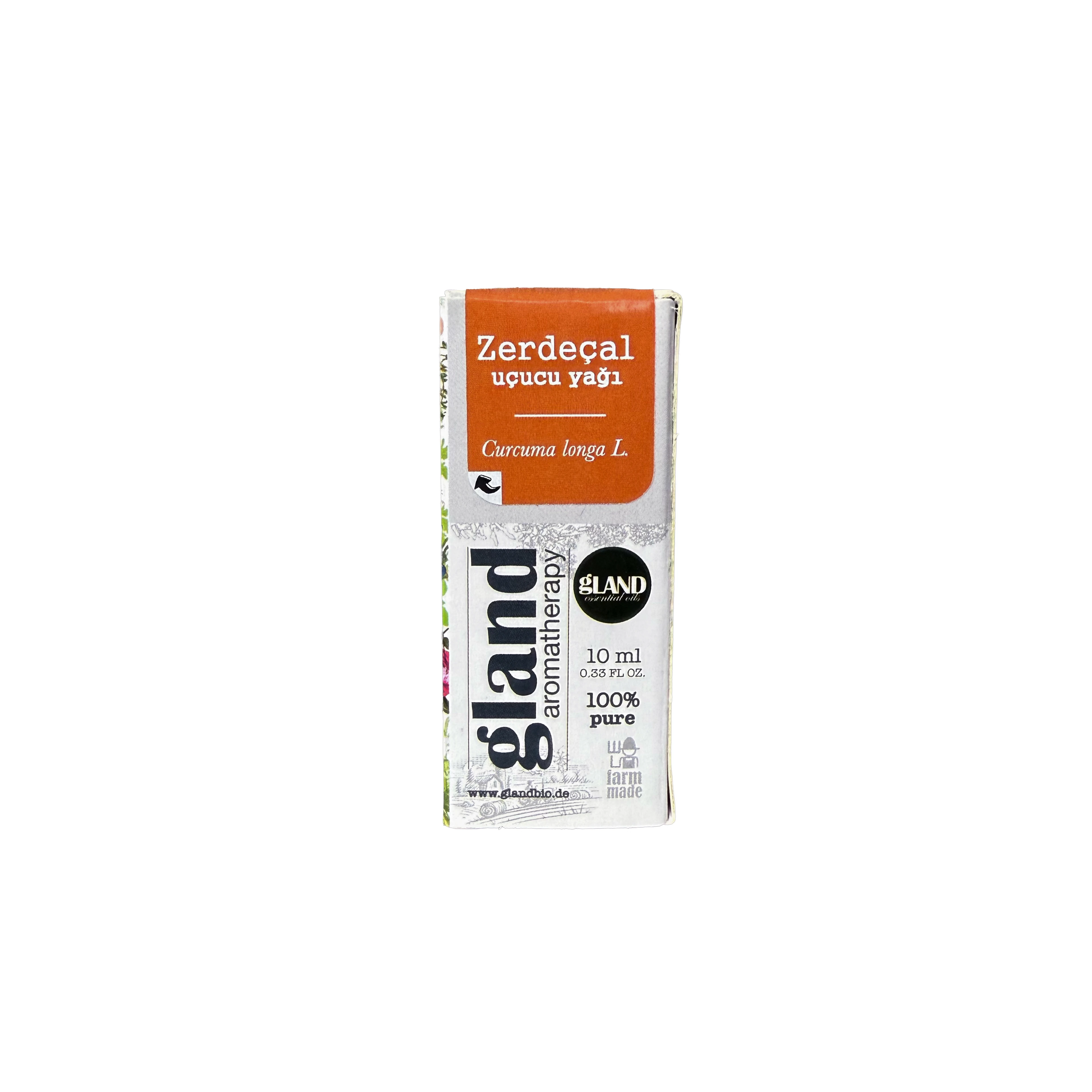
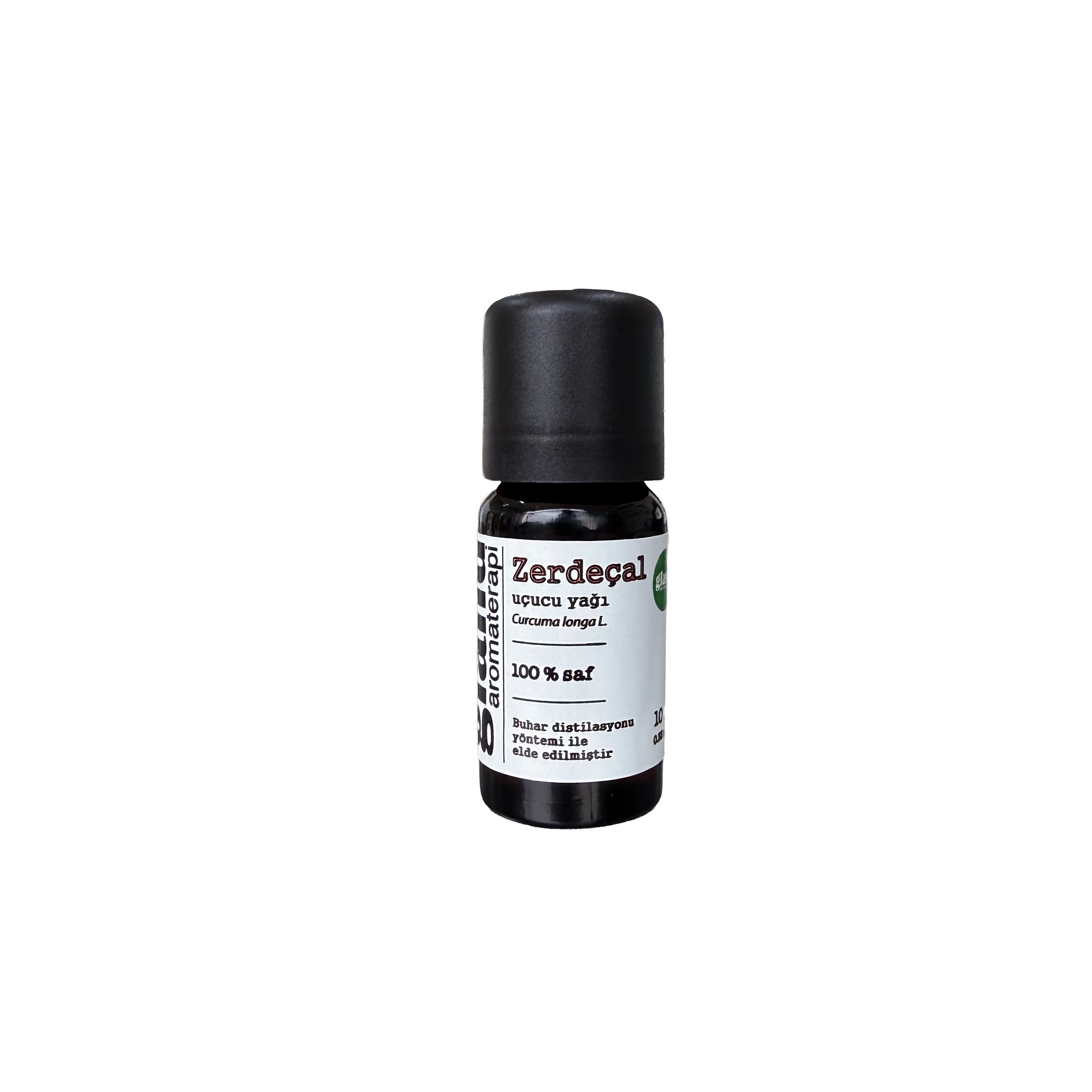
Product Description
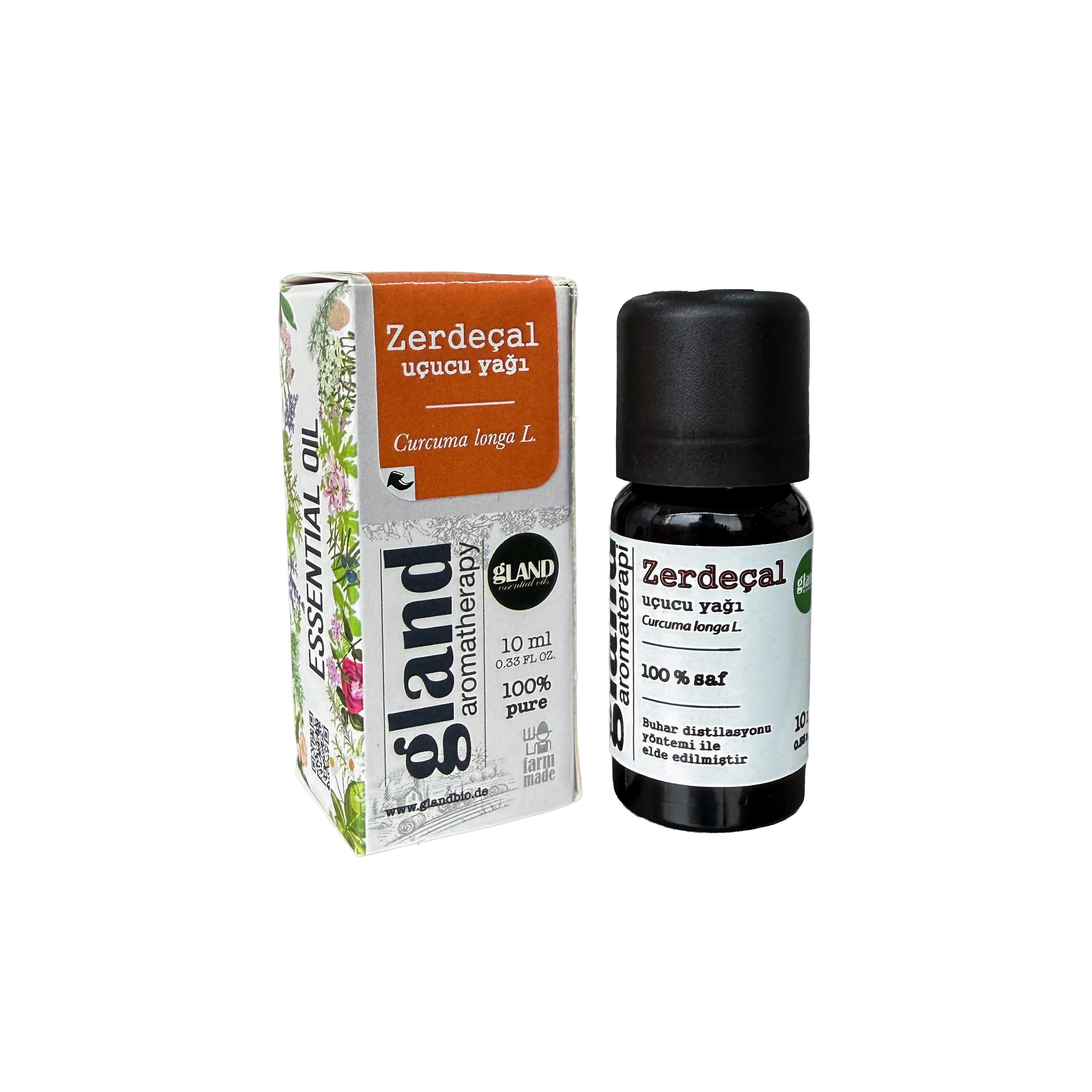
Turmeric (Curcuma longa) is a plant widely used in Asian cuisine and well known for its medicinal properties. Turmeric essential oil is obtained from the rhizomes of the turmeric plant through steam distillation. It is recognized by its warm, spicy, woody aroma and its characteristic golden hue. Rich in bioactive compounds, turmeric essential oil primarily contains turmerones (α-turmerone, β-turmerone), zingiberene, and ar-turmerone.
Key Chemical Constituents and Therapeutic Properties
The therapeutic value of turmeric essential oil is closely linked to its chemical composition:
α-Turmerone & β-Turmerone: Exhibit strong anti-inflammatory and neuroprotective properties.
Zingiberene: Shows antibacterial and antifungal activity.
Ar-Turmerone: Demonstrates antioxidant and potential anticancer effects.
Use of Turmeric Essential Oil in Aromatherapy
Aromatherapy is a holistic practice that uses plant-derived essential oils to support physical and psychological well-being. Turmeric essential oil can be incorporated into aromatherapy in several ways:
1. Inhalation
Diffusers: Dispersing turmeric essential oil into the air may help enhance mental clarity, focus, and overall alertness.
Steam Inhalation: Adding a few drops of turmeric essential oil to hot water and inhaling the steam may help ease respiratory discomfort and support immune function.
2. Topical Applications
Massage Oil: When diluted with a carrier oil, turmeric essential oil can be applied through massage to help relieve muscle pain, joint inflammation, and rheumatic discomfort. Its anti-inflammatory action supports localized pain relief.
Skin Care: Mixed with suitable carrier oils, turmeric essential oil may be used in skincare routines to support conditions such as acne, eczema, and inflammatory skin issues, while improving overall skin appearance.
3. Bath
Adding a few drops of turmeric essential oil to warm bath water may help relax the body, reduce muscle tension, and promote overall physical comfort.
Scientific Evidence and Health Benefits
Research supports many of the traditional uses of turmeric essential oil:
Anti-inflammatory Effects: Studies indicate that turmeric oil may help reduce inflammation associated with joint disorders and muscle pain (Funk et al., 2006).
Neuroprotective Properties: Compounds such as α-turmerone and β-turmerone have shown positive effects on brain health and potential protective roles against neurodegenerative conditions (Ahmed et al., 2014).
Anticancer Potential: Turmeric essential oil contains constituents that may inhibit the growth of certain cancer cells (Liju et al., 2011).
Turmeric essential oil is a valuable aromatherapy ingredient with applications in both traditional and modern wellness practices. Scientific research continues to highlight its therapeutic potential and general safety when used appropriately. As with all essential oils, turmeric essential oil should be used mindfully, diluted with a suitable carrier oil for topical applications, and patch-tested to check for skin sensitivity. Consulting a qualified aromatherapy professional is always recommended for safe and effective use.