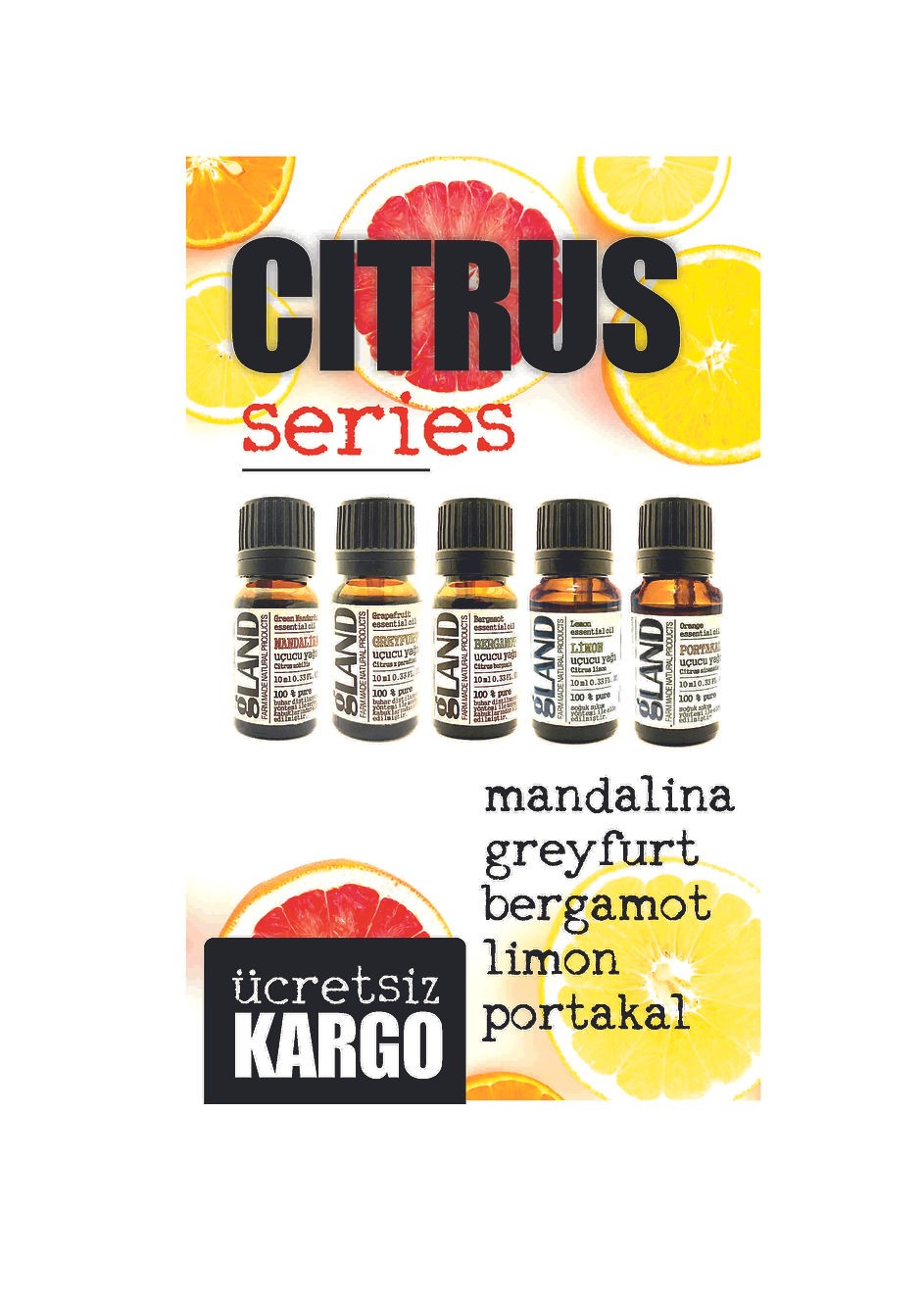
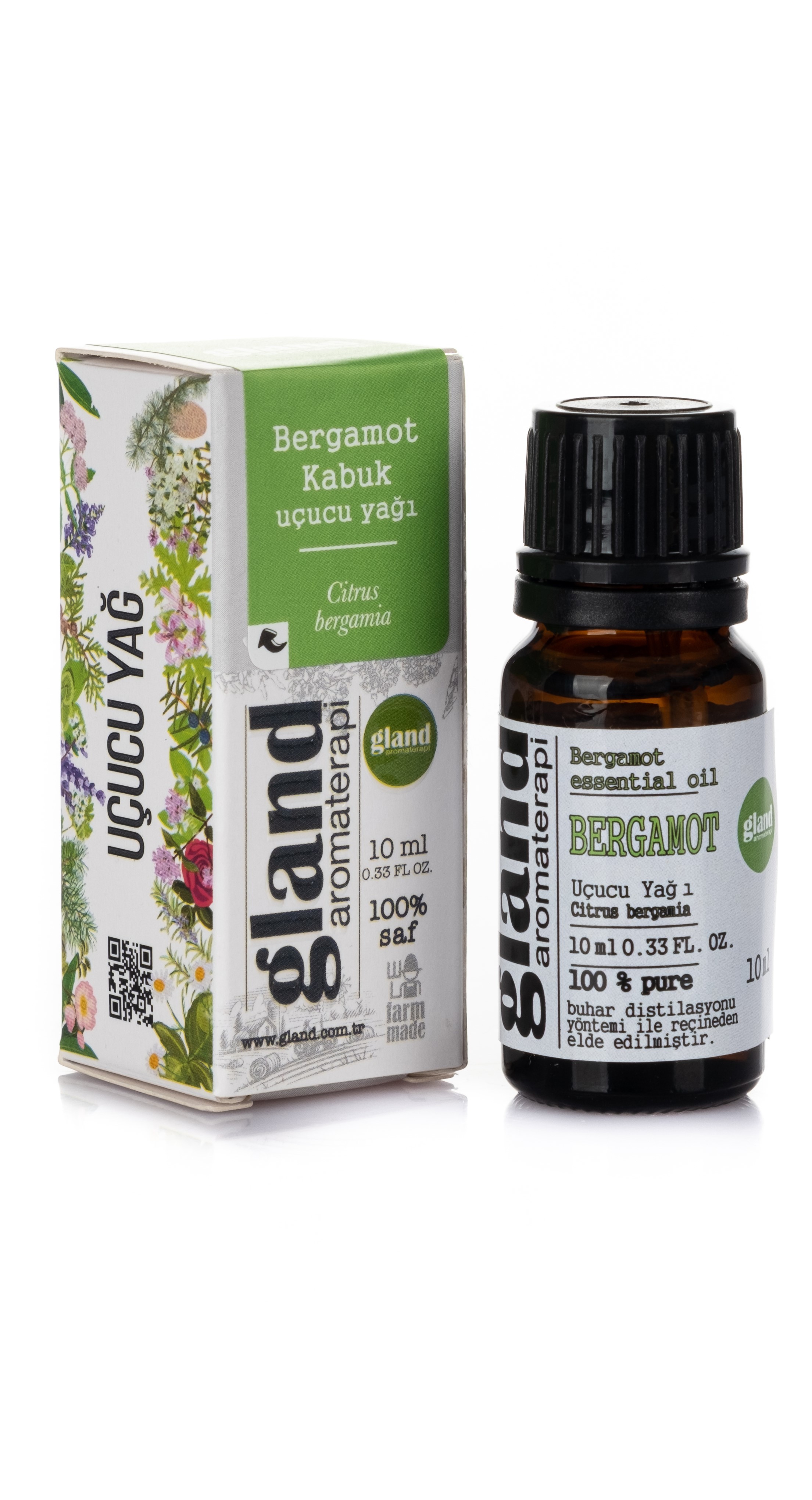
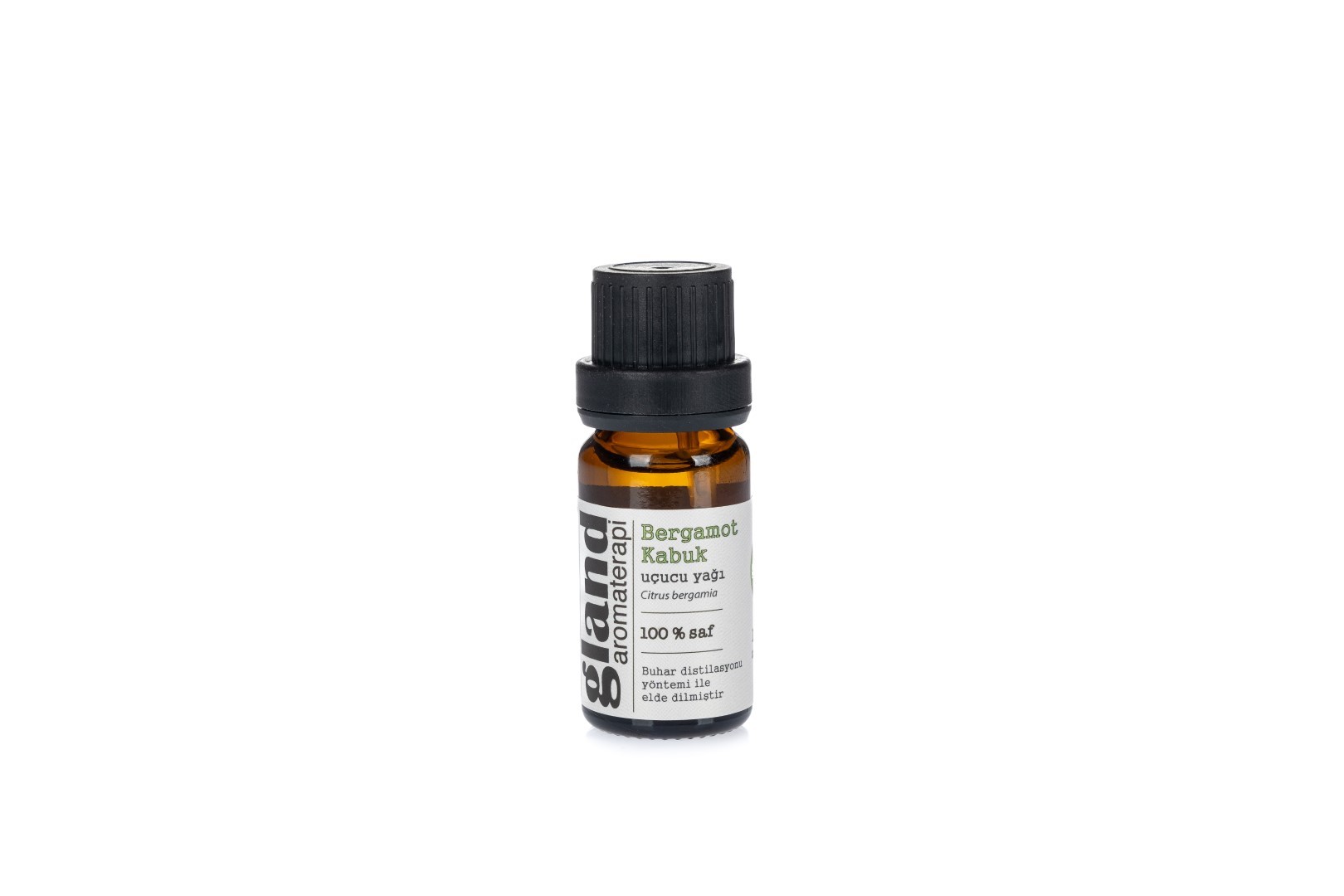
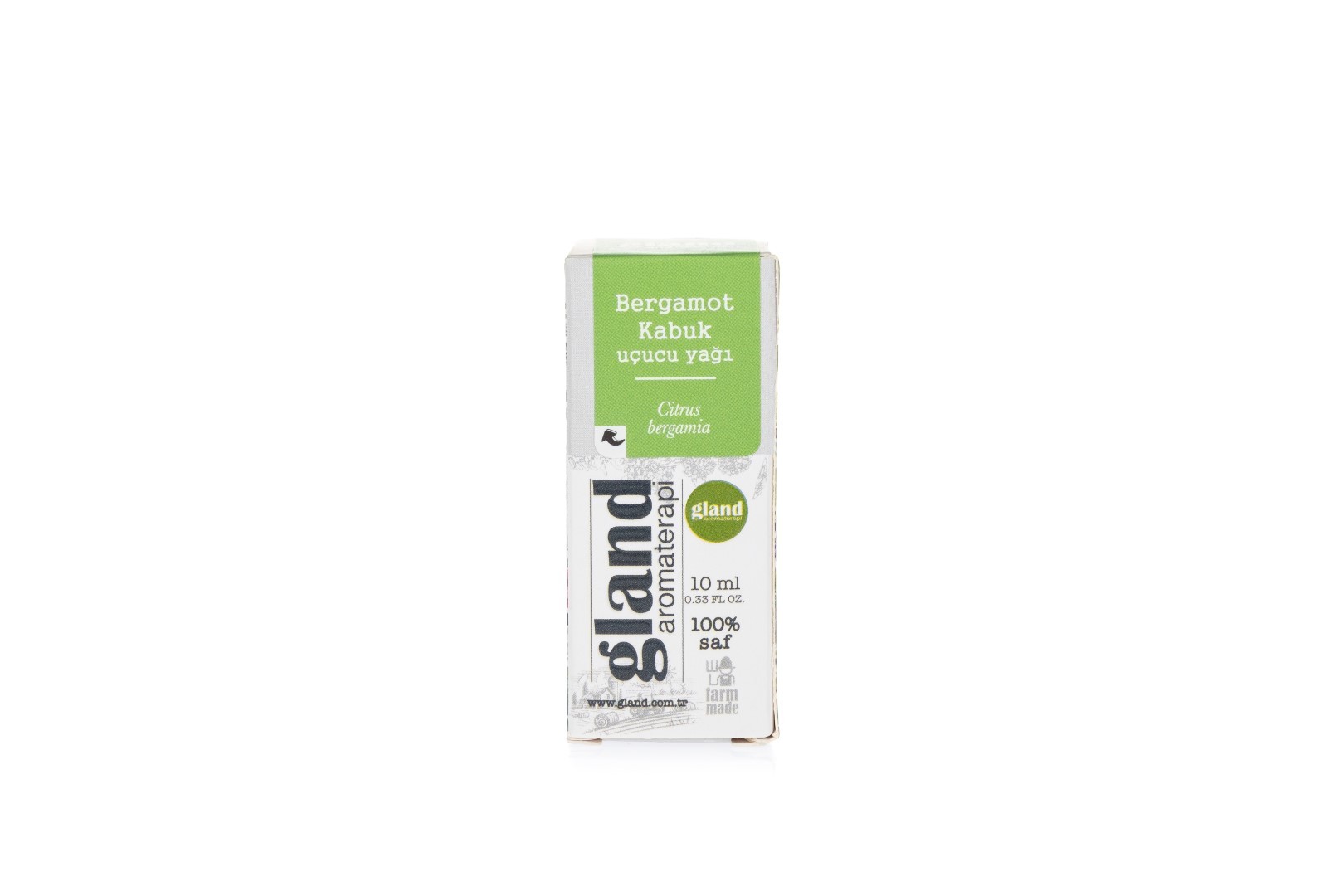
Botanical Name: Citrus bergamia Bergamot (Citrus bergamia) is an aromatic citrus fruit belonging to the Rutaceae family and is primarily cultivated in Mediterranean climates. Bergamot peel essential oil is obtained from the fresh peel of the fruit and holds a distinctive place in aromatherapy thanks to its fresh, lightly sweet, and citrusy aroma. It has been traditionally valued for centuries for its supportive effects on both mental and emotional balance.
Chemical Composition
Bergamot essential oil has a rich and well-balanced chemical profile. Its primary constituents include:
- Linalyl Acetate: Known for its calming and relaxing effects; may help reduce stress and tension.
- Linalool: Possesses balancing and soothing properties and may have a calming effect on the nervous system.
- Limonene: Recognized for its uplifting and refreshing qualities; may also exhibit antimicrobial properties.
- α-Terpinene: Known for its antioxidant and supportive properties.
- β-Pinene: May provide refreshing effects alongside antiseptic and anti-inflammatory properties.
FCF (Furanocoumarin-Free) Advantage
Traditional cold-pressed bergamot essential oils may contain furanocoumarins such as citropten and bergapten, which can cause phototoxic reactions on the skin. Gland Bergamot Peel Essential Oil is FCF (Furanocoumarin Free) and does not contain furanocoumarins. Thanks to this feature, it is non-phototoxic and can be safely used in skincare formulations.
Benefits of Bergamot Peel Essential Oil
Bergamot essential oil is associated with a wide range of supportive effects:
- Emotional Balance & Mood Support: May help reduce mental tension and support emotional balance. It can provide a calming effect during periods of anxiety, stress, and mental fatigue.
- Uplifting & Energizing Effect: Its citrus notes may enhance mental clarity, vitality, and focus.
- Skin Care Support: Thanks to its antibacterial and balancing properties, it may be supportive for oily and acne-prone skin. Its FCF form allows safe inclusion in skincare routines.
- Antiseptic & Antimicrobial Properties: Certain constituents may help support protection against microorganisms.
- Relaxing & Soothing Effect: May promote a sense of relaxation by supporting calmness within the nervous system.
Use in Aromatherapy
Aromatherapy utilizes essential oils to support physical and emotional well-being. Bergamot peel essential oil can be used in aromatherapy in the following ways:
- Diffusers & Room Sprays: When diffused, it may create a fresh, balanced, and calming atmosphere, supporting mental relaxation in stressful environments.
- Massage Oils: When diluted with suitable carrier oils, it can be used in massage applications to promote relaxation and emotional ease.
- Skin Care: Can be added in diluted form to skincare formulations. Thanks to its FCF nature, it is suitable for daytime use.
- Relaxing Baths: Adding a few drops to warm bath water may offer a soothing and calming aromatherapy experience.
Application & Safety
Bergamot peel essential oil should always be diluted with a carrier oil before topical application. Although Gland Bergamot Essential Oil is FCF and non-phototoxic, a patch test is recommended for sensitive skin. Pregnant women, breastfeeding mothers, and children should consult a healthcare professional before use. Due to their concentrated nature, essential oils should be used consciously and within recommended dosage guidelines.
With its refreshing aroma, balancing effects, and the safety advantage provided by its FCF form, bergamot peel essential oil is a valuable essential oil that stands out in both aromatherapy and skincare. When used correctly and in appropriate doses, it can support both mental clarity and physical relaxation.